

Ayawaso East Vote Buying: When Democracy Came With a Remote Control
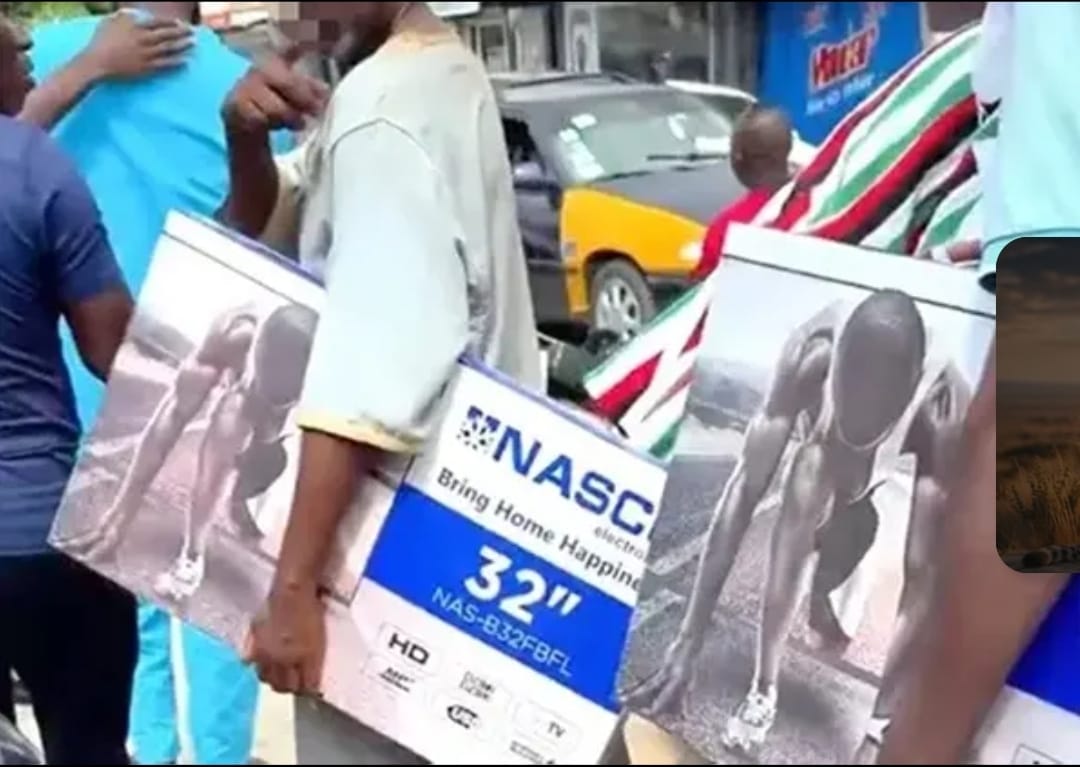
Once upon a time in the Republic of Uncommon Sense, democracy stopped pretending. In Ayawaso East, it reportedly came with accessories—TV sets, TNT, and a straight-faced explanation that this was “support,” not vote buying.

Quick Navigation (tap to expand)
Ayawaso East Vote Buying and the By-Election Pressure Cooker
In ordinary democracies, a parliamentary vacancy triggers solemn reflection, careful succession planning, and maybe a respectful press release.
In the Republic of Uncommon Sense, a vacancy triggers solemn reflection for about five minutes… then activates a national competitive sport called “Internal Democracy: The Shopping Edition.”
The Electoral Commission set March 3, 2026 for the Ayawaso East by-election. And once a date enters the calendar, the heart enters the chest, and the chest enters politics, you can’t tell people to “relax.” In Ghana, elections don’t wait for anyone—not even virtue.
Now, let us be clear: the Ayawaso East contest is important. Not only because of parliamentary arithmetic, but because it is also a mirror. It reflects our favourite national contradiction: we worship democracy on the microphone, then negotiate it quietly with “logistics.”
And so, delegates—normally modest party foot soldiers—became the most courted human beings in the constituency. They were greeted with respect. They were called “my chairman” even when they were only assistant to the assistant secretary. Some were treated like diplomats without passports.
Ayawaso East, we salute you. Where one constituency can turn the whole nation into spectators, referees, and WhatsApp judges—without anyone paying gate fees.
The Admission: Baba Jamal, TV Sets, TNT, and the New Gospel of “Support”
This is where the story becomes special. Not because it is shocking. Ghana has seen worse. We have swallowed envelopes, chewed T-shirts, and digested “transport refunds” since the days of bell-bottom trousers.
No. This story is special because it is honest.
For once, nobody needed sources. Nobody whispered “allegedly.” Nobody blamed faceless enemies, internal saboteurs, or WhatsApp AI.
The man at the centre of it all did something rare in Ghanaian politics: he told the truth out loud.
Yes, TV sets were given to delegates. Yes, TNT—transport money, logistics, appreciation—was shared. But no, the explanation went, this was not vote buying. It was support. A gift. A gesture. A form of human kindness with a screen size.
In Ayawaso East, we have discovered a new civic principle:
You can give a man a television.
You just must not tell him which channel to vote for.
Ghana paused. Not out of respect—out of confusion. Because our elders taught us that when someone says, “I did it, but it is not what you think,” you must sit down properly before replying. Wisdom requires posture.
The Good, The Bad, The Ugly
The Good: Swift Condemnation, Faster Committees
To be fair, the party moved quickly. Statements were issued. Vote buying was condemned with the kind of righteous energy usually reserved for potholes, fuel prices, and unexpected ECG bills.
A committee was formed to look into the matter. Ghana loves committees. Committees are our national way of saying, “We have seen it… and we are arranging to see it again, this time with minutes.”
The Bad: When Confession Became Strategy
Then the country discovered the real fight wasn’t about the facts. The facts were sitting there—bright as a 32-inch screen.
The debate was about meaning.
Was it vote buying or customer care? Was it inducement or assistance? In the Republic of Uncommon Sense, English is not just a language. English is a legal defence.
And thus, a new category was born in Ghana’s political dictionary:
Admitted, But Acceptable.
We used to complain that politicians lie. Now we have a new national headache: politicians telling the truth and expecting applause for clarity.
The Ugly: Diplomacy Meets Carton Politics
Then the story travelled beyond constituency borders and entered the Diplomatic Department of National Optics.
There were recalls, interventions, pressure from within, and warnings from community voices about what “cancellation” could trigger. In Ghana, the moment a political issue starts touching “unrest,” every adult suddenly becomes a peace ambassador.
Translated from Ghanaian into plain English: “Please don’t let internal democracy burn the whole house.”
Party Interventions & The “Resolution” That Tried Not to Offend Anybody
After the committee work, the big question became simple:
If the TVs and TNT happened—and were admitted—what next?
In the Republic of Uncommon Sense, “what next” is often answered with three classic ingredients:
- Procedural fog (because rules sometimes forget to cover what everyone already does)
- Time pressure (because morality has office hours)
- Political pragmatism (because unity must be protected, especially when it is fragile)
And so the storyline matured into its final form: the by-election is coming, the house must stay standing, and the party must move forward.
Democracy survived. Integrity adjusted its expectations. The TVs remained mounted on walls—faithfully showing news bulletins about vote buying.
Related Reads on RUS
- Tanzania Election 2025: The Loud Silence of Power
- More RUS pieces on party primaries & internal democracy
- Back to the Republic of Uncommon Sense homepage
Sources & Context (Outbound)
FAQ: Ayawaso East Vote Buying
What is the Ayawaso East by-election date?
The Electoral Commission set March 3, 2026 for the Ayawaso East parliamentary by-election.
Did Baba Jamal admit giving TV sets to delegates?
He publicly acknowledged presenting TV sets to delegates and defended the action as a gift/support, not intended to influence voting.
Why is the issue controversial?
Because it blurs the line between legitimate support and inducement—especially in a primary where delegates directly decide outcomes.
What’s the public reaction?
Online reaction ranges from outrage to humour, with many treating the admission as a symbol of how “normal” inducement has become in politics.
Book Promo
The Uncommon Sense Playbook — a practical guide for thinking clearly in noisy times.

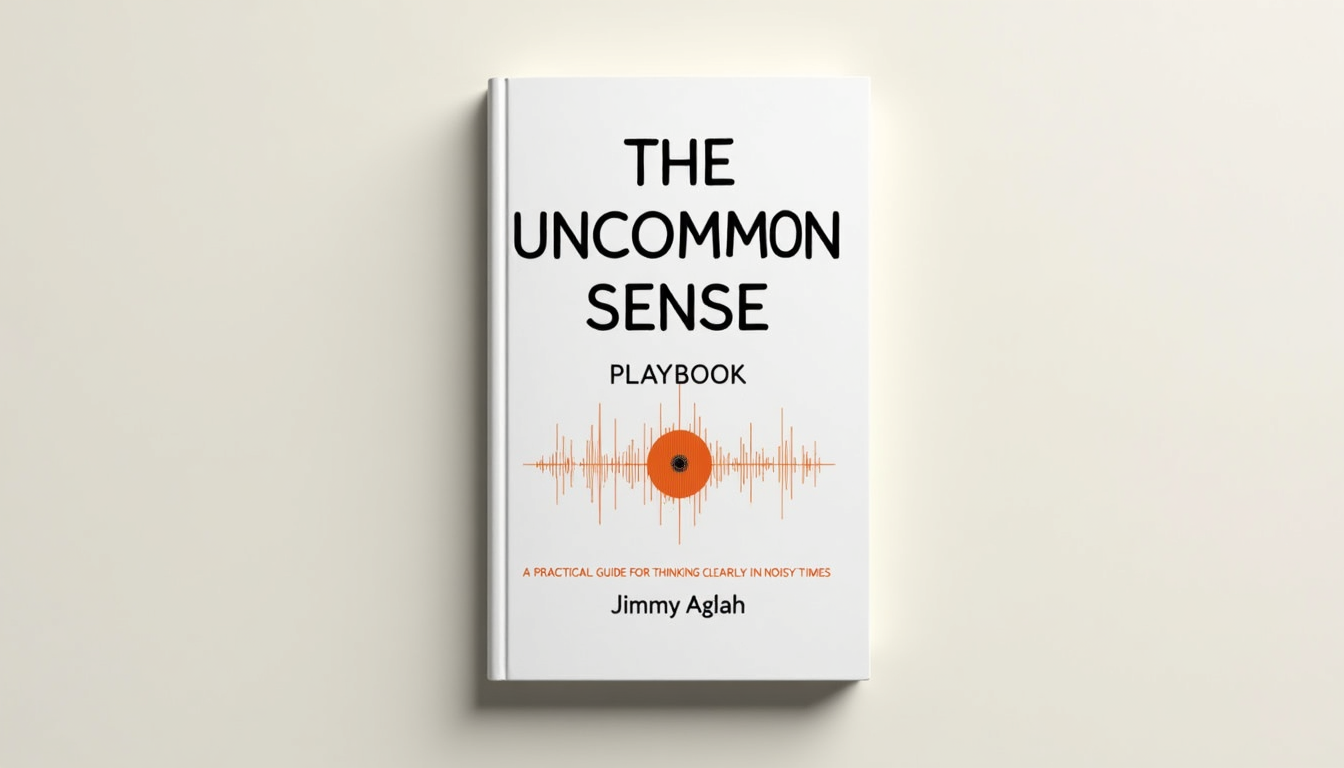
If politics keeps confusing you, this book is your mental seatbelt. Grab it here:
https://aglahjames.gumroad.com/l/imyyv
Final Dispatch + Reader Engagement CTA
Ayawaso East did not invent vote buying. It simply removed the shame and replaced it with explanation. And explanation, as every Ghanaian knows, is powerful—because it convinces you that maybe, just maybe, this thing is normal.
Your vote is secret.
But generosity—when properly packaged—is very public.
And honesty does not set you free.
It only clarifies the invoice.
Now your turn: If this made you laugh, wince, or whisper “Ei Ghana…”, tap Like (if you’re on social), drop your hottest respectful take in the comments, and share it with that friend who always says “both sides are the same.”
Question for the house: At what point does “support” become persuasion—and who is brave enough to draw the line?
The Parliament of Comments: What People Are Saying Online
Social media did what it does best: it laughed to avoid crying. It turned the story into memes, proverbs, and hot takes that could fry plantain.
But beneath the jokes is the uncomfortable truth: the real scandal was never the TVs. Ghana has seen material politics before. The scandal was the clarity.
For once, a politician told the truth—and the system did not know where to file it.