





Daddy Lumba Widow Saga: When One Court Ruling Sparked Polygamy Fever in Ghana

Once upon a time, as the Daddy Lumba widow saga gripped the ever-dramatic plains of the Republic of Uncommon Sense, a single court ruling did what no constitutional review committee has ever managed: it converted the whole country into a live-streamed, open-air conference on polygamy, culture and common sense. Overnight, trotro stations became think tanks, marketplaces became round-table forums, and everyone suddenly remembered they had “traditional rights” hiding somewhere in their family archives.
This satirical dispatch may contain affiliate links. If you click and purchase, the Republic earns a small commission at no extra cost to you. It helps keep the satire sharp and the lights (sometimes) on. No medical, legal, or marital advice is being offered here—only pure Uncommon Sense.
How the Daddy Lumba Widow Saga Sparked a Polygamy Fever in Ghana
The court’s ruling on Daddy Lumba’s widows did more than settle a family dispute; it accidentally launched a national brainstorming session on marriage systems. No sooner had the judge confirmed that two women could rightfully claim widow status than the Trotro Parliament called an emergency sitting—without quorum, without Speaker, and certainly without shame. At Kaneshie, the Majority Leader of this unofficial House—an uncle shaped like the dome of Parliament but with none of its structural discipline—announced that the decision was “a clear sign from the ancestors to restore polygamy properly.”
Beside him sat another self-appointed legal expert whose last encounter with the law was dodging a TV licence inspector. He nodded vigorously. “My brothers,” he declared, chest out like a campaign billboard, “tradition has spoken. Even Lumba had two. Who are we to reduce our divine capacity to one?”
The women in the trotro turned their necks slowly—the same slow, dangerous turn you see when a wife hears her husband whispering on the phone at 11:57 p.m. One Makola woman, balancing a tray of tomatoes that already looked traumatised by the conversation, calmly asked, “Massa, even the one wife you have, is she not sponsoring your life with small loans and long prayers? You want to take two so they can share the suffering equally?”
But the men were momentarily undeterred. By the time the trotro reached Circle, some had already drafted bold declarations of intent. “Today, I will go home and announce my decision,” one gentleman proclaimed, as if unveiling a new national budget. His friend clapped in admiration—until a bofrot seller gave him a look so sharp it could debone tilapia at twenty paces.
Beyond the laughter, the case quietly highlighted how customary marriage and spouse recognition in Ghana can become complicated when civil and traditional systems collide. But of course, the Trotro Parliament was not there for footnotes; it was there for feelings.
When the Marketplace Became a Polygamy Referendum
At Makola, matters escalated quickly. The Market Women’s Caucus convened an emergency referendum under the theme: “Polygamy Reloaded—Yes or No?” A self-appointed electoral commissioner grabbed a megaphone and shouted, “Those in favour of taking second wives, come and vote boldly! We like courageous men!”
The first wave of men marched forward with the false confidence of politicians holding uncosted manifestos. Then the women began clapping slowly. Not the applause of admiration, but the slow, sarcastic clap that has ended more male ambitions than economic hardship. In an instant, the brave volunteers began to retreat like a defeated army suddenly remembering it left the Commander-in-Chief—Madam at Home—unconsulted.
One market queen raised the stakes: “If you can’t buy common wig for your wife without doing mobile-money instalment plan, lift your hand for second wife let’s see.” Hands that had risen boldly moments earlier descended quietly, like flags at sunset on a military barracks. Thus the Daddy Lumba widow saga produced its first national lesson: polygamy is sweet in theory, bitter in budget.
Trotro Theologians, Street Lawyers and Budget Polygamists
As news of the ruling spread, Ghanaians rearranged themselves overnight. We suddenly had trotro theologians quoting Bible, Quran and great-grandmother in one sentence; street lawyers explaining customary law with the confidence of a Supreme Court judge; and budget polygamists whose salaries cannot survive one mother-in-law, yet were boldly forecasting “economies of scale” with two households.
Internet cafés reported strange new clients: married men in bathroom slippers, hurriedly printing “Application to Take Second Wife” forms. These forms, compiled by no recognised legal body, demanded signatures from two witnesses, one Area Boys Representative and the family’s trusted chop-bar owner. In one famous case, a man was signing his form when his first wife appeared silently behind him like a system update. He nearly applied for a third wife—Saint Peter—on the spot.
On WhatsApp and radio, debates over the Daddy Lumba widow saga mixed emotion with law, with fact sheets occasionally sprinkled in from statistics on marriage and family in Ghana. But for most citizens, the only statistic that mattered was the price of rice and school fees.
Quick Health Interlude: Hearts, Homes and Prostate Peace
While some gentlemen are busy dreaming of double marriages, their body is quietly negotiating double trouble—stress, sleepless nights and midlife health surprises. Even in satire, your health must not become a punchline.

ProstaVive: Because Your Future Needs More Peace Than Your Polygamy Plans
If you are over 40 and your bladder is holding more all-night meetings than Parliament, it may be time to show your prostate some respect. ProstaVive is a men’s supplement designed to support normal urinary flow, better sleep and overall prostate health.
- Formulated for men who want more peace of mind at night.
- Supports prostate and urinary health.
- A calmer body makes room for clearer decisions—about everything else.
Disclaimer: This is not medical advice. Always consult a qualified health professional before starting any supplement.
Pastors, Mallams and the New Polygamy Economy
As always, where confusion abounds, opportunity also appears. Pastors and mallams sniffed the atmosphere like vultures spotting fresh disaster. One charismatic church launched a new counselling wing called “Partners in Multiplication”, complete with premium prayer packages for “complex marital configurations.” Meanwhile, a mallam at Madina quietly released his own innovation: “Second Wife Attraction Powder—Results in 21 Days or Your Money Mysteriously Vanishes.” Both sides agreed on one thing: whether polygamy works or not, the offering bowl must not suffer.
Ghanaian wives, however, did not take things lying down—unless it was in a strategic, well-timed Silent Treatment posture. They launched the Coalition of Reluctant Monogamists (CRM) and issued a crisp communiqué: “If you take a second wife, we take a second salary and a second lawyer.”
Three nationwide strategies were proposed: Operation Kitchen Strike (rice cooker off, gas cylinder silent, microwave on sabbatical); The Nightgown Rebellion (same nightgown, new attitude); and a Forty-Day Silent Treatment Crusade—a spiritual exercise to test who really fears loneliness.
When Economics Entered the Chat
At some point, even the Ministry of Finance could not be left out of the joke. A leaked “internal memo” was rumoured to exist under the title: “Macroeconomic Risks of Nationwide Polygamy.” The conclusion: “Ghana currently lacks the GDP to support mass household duplication.”
According to this imaginary analysis, two wives would require two rent agreements, two sets of school fees and two extended families with fully-functional WhatsApp groups. With that data alone, many aspiring polygamists quietly returned to their monogamous spreadsheets, while the Daddy Lumba widow saga continued to trend on radio, TV and family WhatsApp platforms.
Chiefs, Culture and the Limits of Ambition
When interviewed, some chiefs simply chuckled. “We have been doing this polygamy business since before independence,” one traditional leader said. “You people are behaving like you discovered a new app.” Another chief was more blunt: “Polygamy is not for boys who buy waakye on credit.”
And that, perhaps, is the heart of the matter. The Daddy Lumba widow saga may have revived conversations about tradition, law and who qualifies as a spouse. But it has also reminded us that ambition without resources is just a poetic way of spelling stress.
Book Corner: More Satire from the Republic of Uncommon Sense
If this little tour through trotro theology and market-square marital policy made you smile, you will feel at home inside the full collection of stories from the Satirical Chronicles of the Republic.
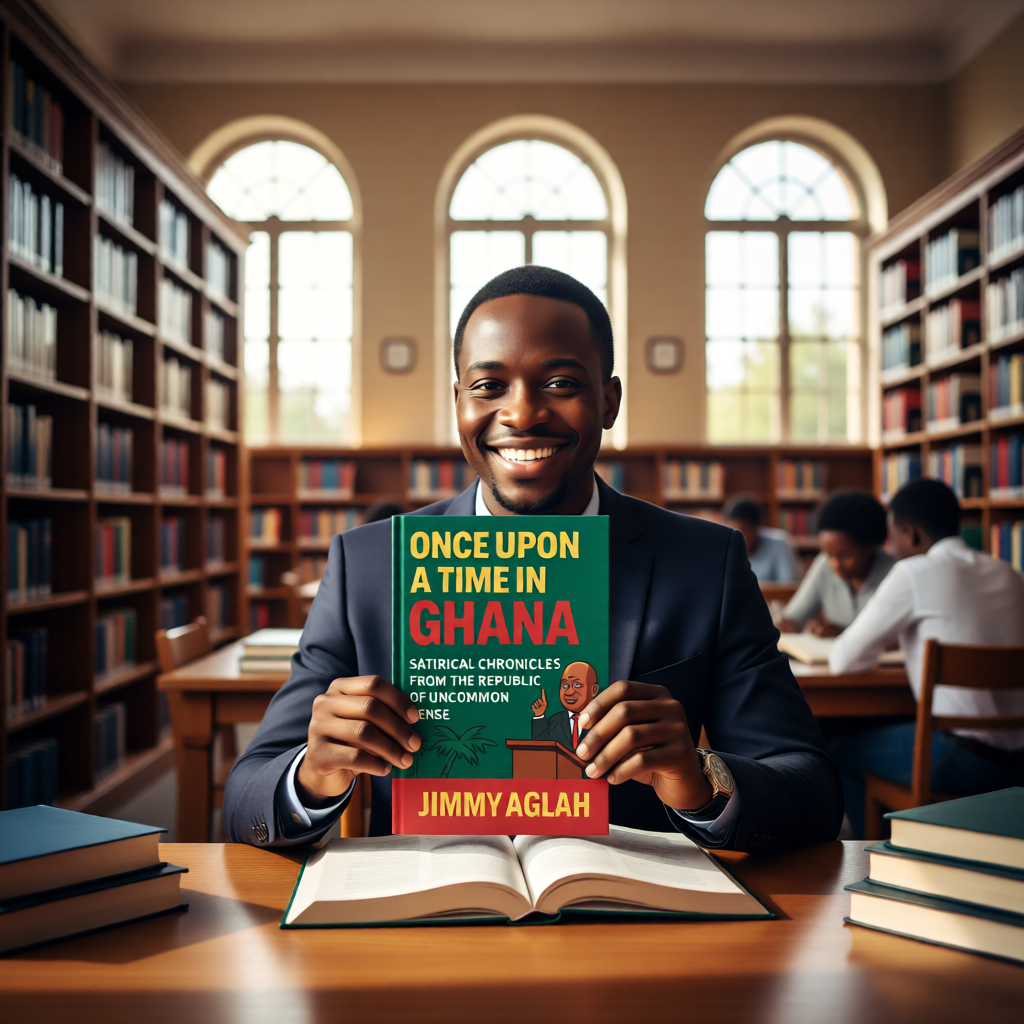
Once Upon a Time in Ghana – Satirical Chronicles
Dive deeper into the wild, witty world of the Republic, where trotro drivers become philosophers, bureaucrats moonlight as stand-up comedians, and public policy occasionally takes instructions from village gossip.
- Sharp, hilarious takes on everyday Ghanaian life.
- Perfect for readers who enjoy humour with a touch of truth.
- Excellent companion for evenings, weekends and long power cuts.
Final Thoughts from the Republic of Uncommon Sense
In the end, the Daddy Lumba widow saga has done more than settle a family dispute. It has reminded us that law, culture and economics all share one bedroom—and when they quarrel, the whole nation hears the noise.
So before any aspiring chiefdom-in-one-body rushes to expand his marital portfolio, let him first check his resources, his responsibilities and his sanity. As the ancestors like to whisper: When you see a goat following two buckets, remember—one contains water; the other contains pepper. Choose well.
Welcome, once again, to the Republic of Uncommon Sense.