


Ghana at 69: Progress or Just Potential?
Ghana at 69 is not merely a celebration. It is also a moment of reflection — the quiet moment after the speeches, when the drums slow down and the nation asks itself one honest question.
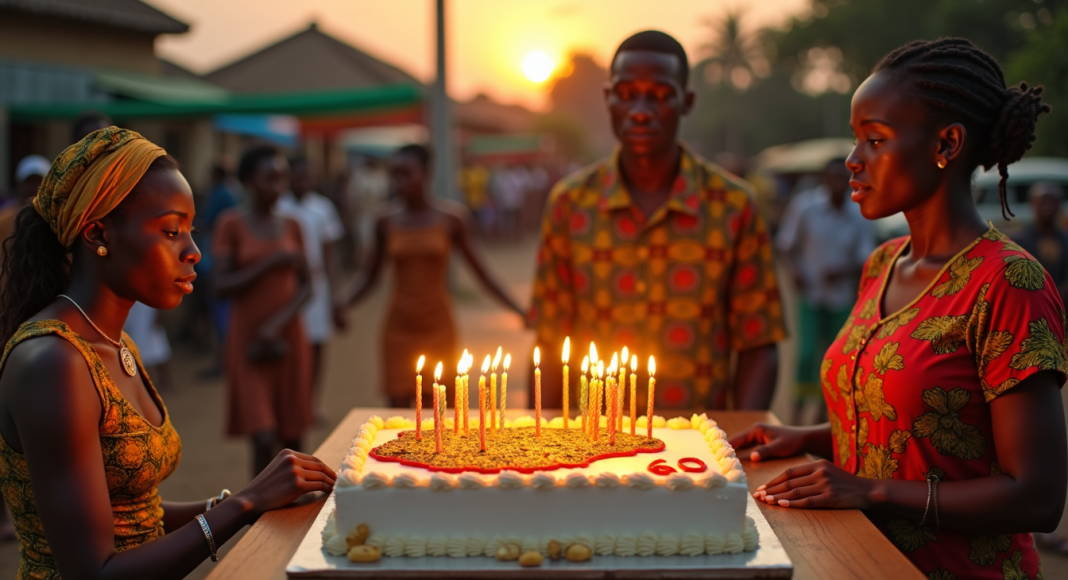
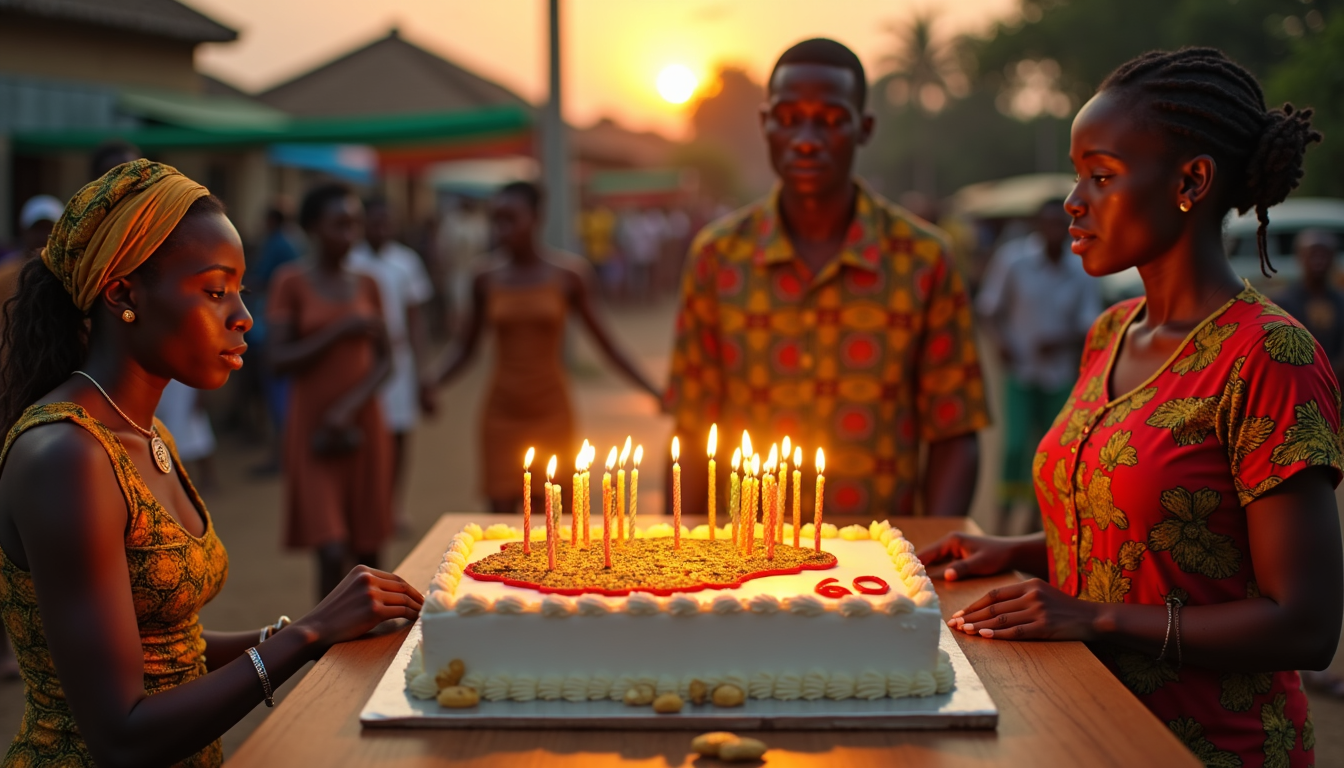
Once upon a time in a village called Sikakrom, the elders gathered to celebrate the birthday of the village’s oldest child.
The drums were loud.
The cloth was bright.
The speeches were long.
Very long.
Then a small boy raised his hand and asked a dangerous question:
“If the child is sixty-nine… why does he still live in his father’s room?”
The elders coughed.
The drummers paused.
Someone quickly increased the volume of the sound system.
Ladies and gentlemen, welcome to Ghana at 69 — a nation old enough to collect pension, yet still young enough to blame its problems on yesterday.
“A nation cannot build prosperity on resilience alone.”
Why Ghana at 69 Still Feels Like a Debate Between Promise and Performance
Ghana is not a poor country.
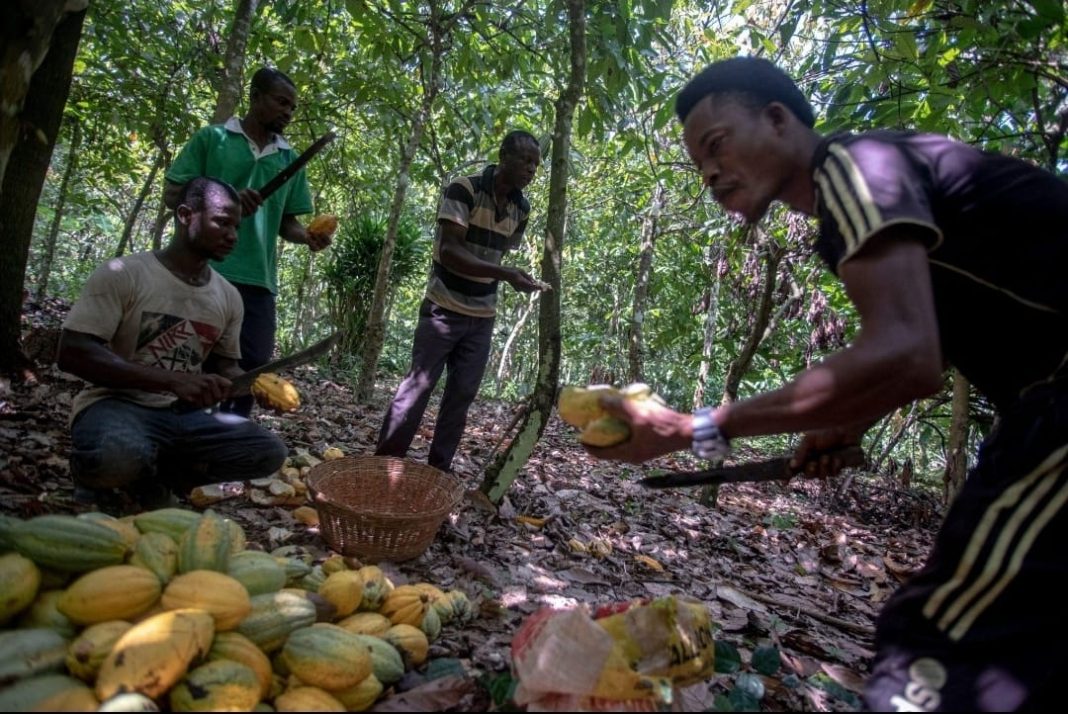
It sits on gold, cocoa, oil, fertile land, entrepreneurial citizens and one of the most stable democratic systems in Africa.
According to the World Bank’s Ghana overview, the country remains one of West Africa’s most promising economies despite periodic fiscal pressures.
Yet the national conversation often returns to a familiar phrase:
“We have potential.”
If potential were cocoa beans, Ghana would have filled the Atlantic Ocean by now.
The difficulty is that potential does not automatically become pavement. Potential does not build drainage systems. Potential does not create jobs.
Potential is simply the promise of what could be.
The Cause: A Republic Rich in Promise
If Ghana were a family, Independence Day would resemble one of those large family meetings where everyone arrives in beautiful cloth and the chairman rises to address the gathering.
“My fellow family members, our family is progressing.”
The audience nods.
“Our farm is producing.”
More nodding.
“Our goats are multiplying.”
Then someone quietly asks:
“If the goats are multiplying… why is meat still a visitor in our soup?”
That question captures Ghana’s development paradox.
The plans sound impressive.
The speeches sound impressive.
The statistics sometimes look impressive.
But between promise and experience lies a pothole large enough to swallow public confidence.
“Sometimes the distance between potential and progress is simply the quality of the road between them.”
The Impact: When Potential Meets Reality
Infrastructure often tells the truth more honestly than speeches do.
A drive across parts of Ghana can be an educational experience.
Some roads are smooth.
Some roads are gravel.
Some roads resemble archaeological excavation sites.
You can drive on a Ghanaian road and learn geography, engineering and prayer at the same time.
Yet despite these challenges, the ordinary Ghanaian survives.
Give a Ghanaian:
- unpredictable electricity
- multiple taxes
- two relatives requesting emergency loans
- a landlord demanding several years’ rent
and the Ghanaian will still survive.
Not only survive.
He may even open a second business.
That is not just resilience.
That is economic witchcraft.
The Youth Question Ghana Must Answer
Every Independence Day the youth are celebrated as the future of the nation.
It is a beautiful sentence.
But also a convenient one.
Because it allows the present to postpone responsibility.
The youth are energetic, creative and ambitious.
Yet they occasionally ask a simple question:
“If we are the future… why does the future require five years’ experience?”
That question deserves more than applause.
It deserves answers.
The Solution: Turning Potential into Progress
If Ghana’s story at 69 teaches us anything, it is that development rarely arrives dramatically.
It usually arrives quietly.
Through functioning institutions.
Through accountability.
Through consistent leadership.
Through systems that work even when nobody is watching.
Nations do not fail because they lack promises.
Nations fail because they confuse promises with performance.
“Nations do not grow older by counting years. They grow older by counting wisdom.”
Key Reflections on Ghana at 69
- Ghana possesses enormous natural and human resources.
- The country enjoys democratic stability rare in the region.
- Citizens show remarkable resilience.
- The gap between promise and execution remains a challenge.
- Real progress requires consistent systems and accountability.
Frequently Asked Questions
Why is Ghana at 69 significant?
It marks nearly seven decades since independence in 1957 and offers an opportunity to assess Ghana’s development journey.
Why is Ghana often described as a country of potential?
Because the nation possesses natural resources, democratic stability and a highly entrepreneurial population.
What are Ghana’s biggest development challenges?
Infrastructure gaps, youth unemployment, governance inefficiencies and the challenge of translating economic potential into measurable progress.
What does “progress vs potential” mean?
It reflects the ongoing debate about whether Ghana has fully transformed its advantages into real economic development.
Read More from the Republic
Before You Leave Sikakrom…
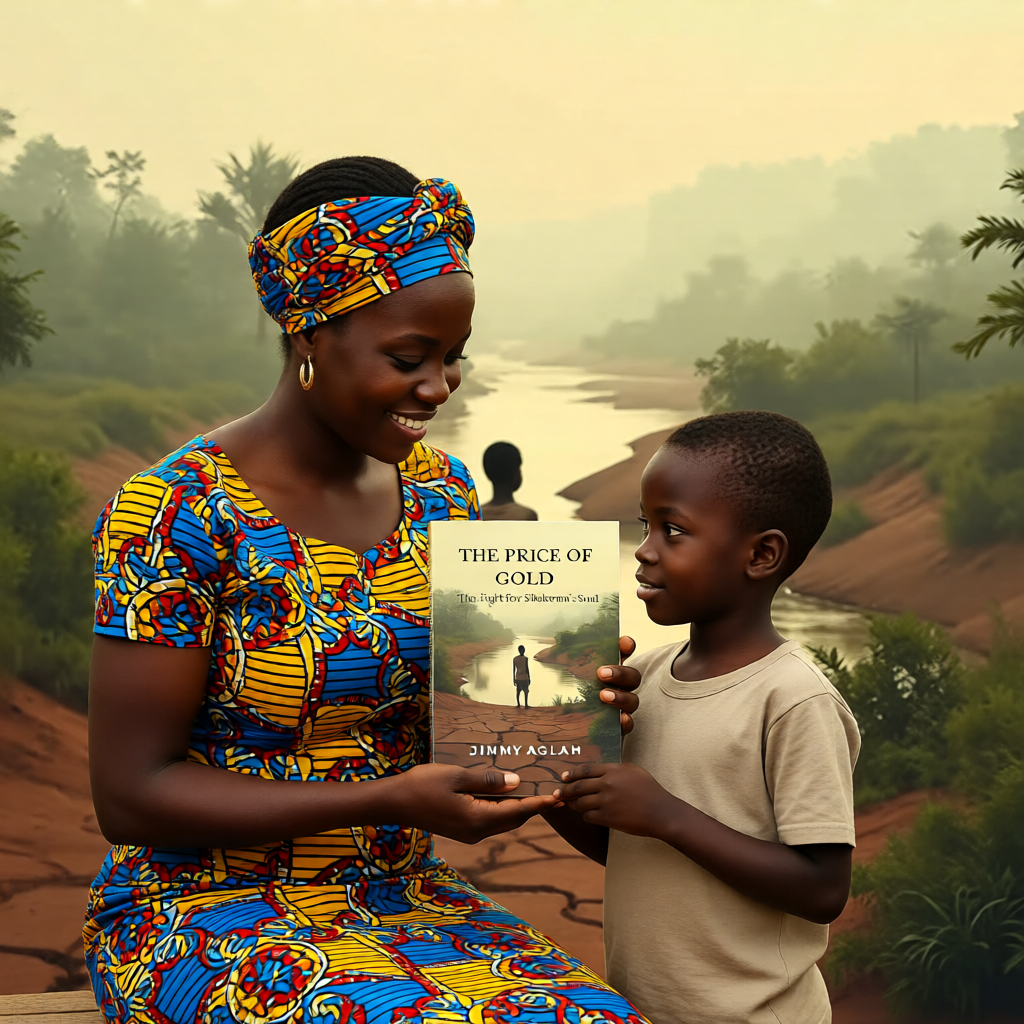
The name Sikakrom may sound familiar.
Because the struggle between wealth, conscience and community does not end in satire.
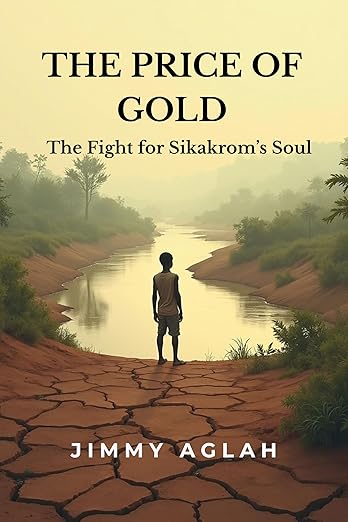
Discover the deeper story in The Price of Gold: The Fight for Sikakrom’s Soul — a gripping novel about greed, survival and the battle for a village’s soul.
Step beyond the satire and enter the story.
Final Word from the Republic of Uncommon Sense
As the anniversary drums fade and the flags return to their boxes, let us remember one truth:
A country is not built by speeches on Independence Day, but by decisions on ordinary Tuesdays.
Ghana is 69.
Still hopeful.
Still noisy.
Still resilient.
Still ours.
And perhaps that is the most important independence of all.