



Ghana Cocoa Industry: 9 Hard Truths Behind Africa’s Golden Bean
There is an old saying in many cocoa villages: “The farmer grows gold but spends copper.”
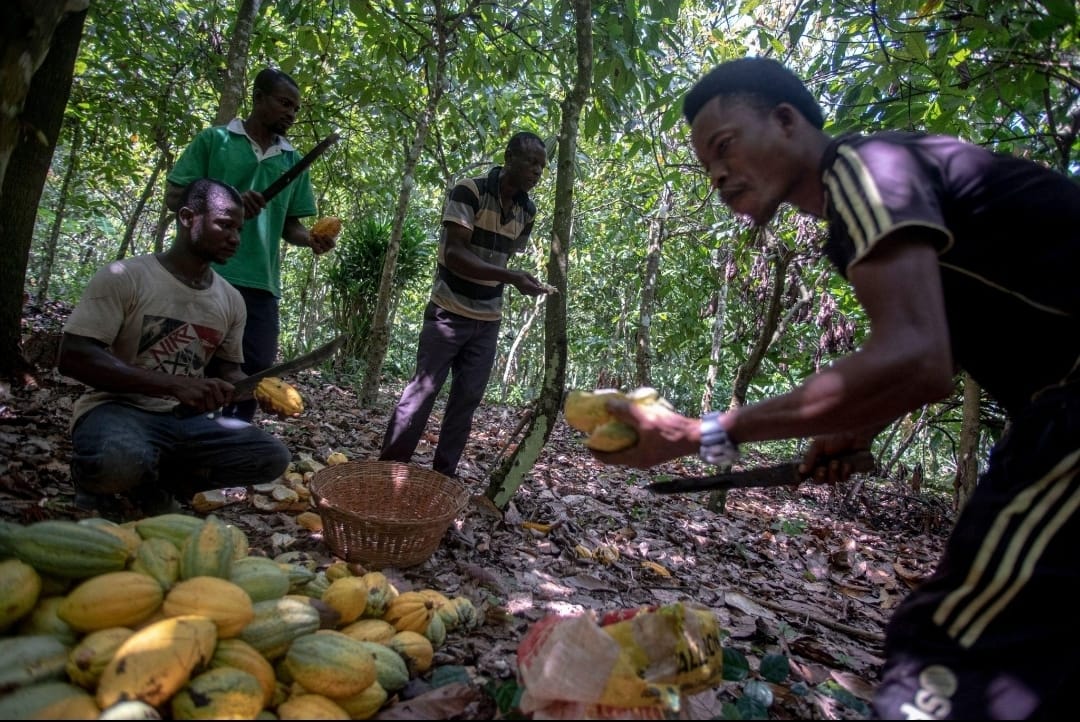
The Ghana cocoa industry remains one of the most important economic pillars in West Africa, yet it is also one of the least understood sectors by the global public.
Cocoa pays school fees, builds homes, sustains rural economies, and provides billions in export earnings for Ghana. But behind every chocolate bar enjoyed in Europe or North America lies a complicated system of farming, global trade, pricing policies, and economic realities.
Understanding Ghana’s cocoa sector requires looking beyond the sweet taste of chocolate to confront some uncomfortable truths.
Ghana Cocoa Smuggling: When Beans Grow Wings
Cocobod Forward Sales Model Explained
Ghana Cocoa Price Cuts: What Farmers Should Know
1. Cocoa Built Modern Ghana
Few agricultural commodities have shaped a country’s economic story the way cocoa has shaped Ghana’s.
For decades cocoa exports generated foreign exchange and supported national development. Roads, schools, and social programs were funded partly by cocoa revenues, making the crop one of the foundations of the national economy.
In many rural communities the first signs of economic progress came from cocoa income — the first zinc roof, the first motorbike, the first child sent to secondary school.
2. Ghana Is a Global Cocoa Giant
Ghana consistently ranks among the world’s largest cocoa producers, often second only to Côte d’Ivoire. Together these two West African countries produce roughly half of the world’s cocoa supply.
That means rainfall patterns in Ghana can influence chocolate prices in Europe and America. Few countries have such direct influence on a global food industry.
3. Farmers Capture the Smallest Share of the Value
Despite cocoa’s global value, farmers often receive only a small fraction of the profits generated by the international chocolate industry.
Most of the financial rewards occur further down the value chain — processing, manufacturing, branding, and retail distribution.
Pull Quote: In the cocoa economy, the loudest profits are made after the bean has left the farmer’s hands.
4. Cocoa Prices Are Controlled
Unlike many commodities, cocoa prices in Ghana are regulated through a structured system involving government institutions and licensed buying companies.
This system aims to protect farmers from volatile global markets but also limits their ability to negotiate prices directly.
To better understand how cocoa sales are financed and structured internationally, read our analysis of the Cocobod Forward Sales Model.
5. Rural Poverty Still Persists
Despite cocoa’s national importance, many cocoa farmers still struggle economically.
Small farm sizes, aging cocoa trees, rising input costs, and fluctuating market conditions all contribute to financial pressures on farmers.
This economic reality is one reason many young people hesitate to enter cocoa farming.
6. Smuggling Reflects Price Pressures
When price differences appear between neighboring countries, cocoa smuggling tends to increase.
Farmers facing economic pressure sometimes sell beans across borders where prices are higher.
For a deeper look at this phenomenon read: Ghana Cocoa Smuggling: When Beans Grow Wings.
7. Climate Change Is Threatening Production
Cocoa farming depends heavily on stable rainfall patterns and favorable temperatures. Climate change is increasingly affecting these conditions.
According to the International Cocoa Organization (ICCO), global cocoa prices are influenced by supply expectations, weather patterns in West Africa, and speculative trading activity in commodity markets.
Changing weather patterns and plant diseases pose growing risks to cocoa production across the region.
8. Illegal Mining Is Destroying Cocoa Land
Illegal mining activities have destroyed significant areas of cocoa farmland and polluted rivers that farmers depend on for irrigation.
This environmental damage threatens long-term agricultural productivity and rural livelihoods.
9. The Future Lies in Value Addition
Many analysts believe Ghana’s long-term cocoa strategy should focus on capturing more value locally through processing and manufacturing.
Instead of exporting raw beans, Ghana could increase domestic chocolate production and develop new value-added cocoa products.
Recent debates around pricing decisions also reflect broader tensions within the sector. For more context see: Ghana Cocoa Price Cuts.
The Real Question Ghana Must Answer
The Ghana cocoa industry is not just an agricultural story. It is about economic power, rural development, environmental sustainability, and global trade dynamics.
The farmer plants the tree. The world eats the chocolate. Yet much of the profit is made far from the farms where cocoa is grown.
Until that imbalance changes, cocoa will remain both Ghana’s greatest agricultural treasure and one of its most complicated economic puzzles.

Frequently Asked Questions
What is the Ghana cocoa industry?
The Ghana cocoa industry includes farming, licensed buying companies, export financing systems, and increasing efforts toward local cocoa processing.
Why don’t cocoa farmers earn more?
Farmers often receive a small share of the chocolate industry’s total value because most profits occur later in the global supply chain.
Why does cocoa smuggling occur?
Smuggling often occurs when farmers can obtain higher prices across national borders due to market differences.
How can Ghana improve the cocoa sector?
Improving productivity, protecting farmland, expanding processing capacity, and strengthening farmer incomes are key steps toward a more sustainable cocoa industry.