





A Passport Appeared. Jollof Spoke. Ghana Reacted.
IShowSpeed Ghana passport jollof became an unexpected national conversation—revealing how attention, symbolism, and satire now travel faster than paperwork.
For a brief and memorable moment, Ghana discovered that global attention travels faster than paperwork—and that satire does not require parliamentary approval.
In this satirical dispatch from the Republic of Uncommon Sense, we follow the viral thread connecting
IShowSpeed Ghana buzz, a reported Ghanaian passport gesture, and the timeless Ghana vs Nigeria jollof rivalry.
It began innocently enough. A popular American streamer, IShowSpeed, arrived in Ghana, camera in hand, curiosity fully charged.
Social media did what it does best: amplified the visit, replayed the laughter, and exported Ghanaian energy to millions of screens abroad.
The nation smiled. Tourism agencies relaxed their shoulders. This was good publicity—organic, youthful, and loud.
The IShowSpeed Ghana passport jollof moment quickly moved from entertainment to cultural commentary, drawing reactions far beyond social media.
When the Internet Arrives, Institutions Stand at Attention
Then Ghana did something remarkable.
Somewhere between livestreams and landmarks, the visitor was reportedly issued a Ghanaian passport.
No queue footage surfaced. No appointment slip leaked. No citizen was spotted sighing behind a barricade.
The document simply appeared—efficient and symbolic, like a proverb that arrives before its explanation.
For some, the gesture reflected Ghanaian warmth at its finest: when a guest enters your house, you offer him a stool before asking his name.
For others, it raised quiet but persistent questions. In a country where citizens often negotiate with time, systems, and fate to renew documents,
the speed of the gesture felt… educational.
For readers who prefer their symbolism served with institutional context, here are the public-facing engines behind the headlines:
the Ghana Immigration Service and the
Ghana Tourism Authority.
(Satire respects institutions. It simply refuses to fear them.)
Why the IShowSpeed Ghana Passport Jollof Moment Mattered
But the passport was only the prologue.
Soon after, the new Ghanaian-by-document committed what many would consider a far more delicate act.
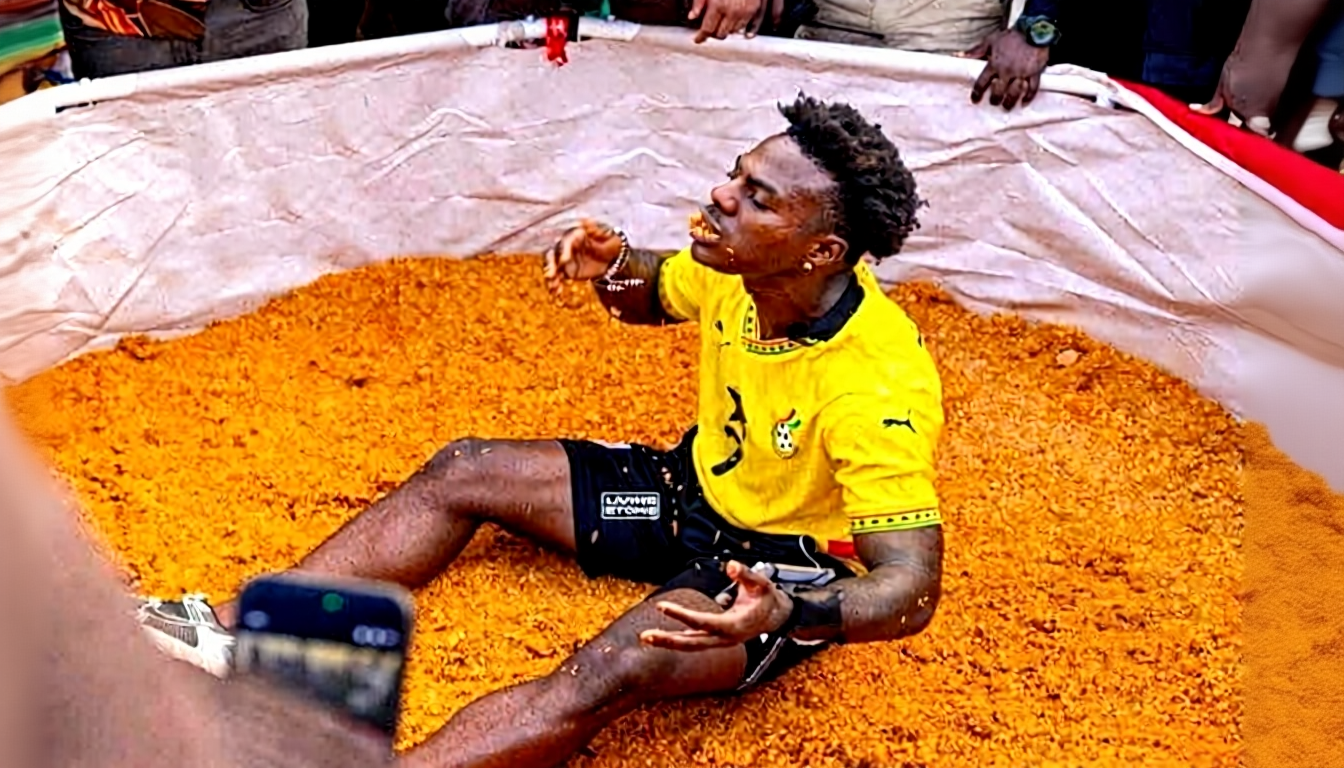
In the spirit of casual honesty—or youthful bravery—he reportedly declared a preference for Nigerian jollof over the Ghanaian version.
It was said lightly. It landed heavily.
West Africans know this truth: borders may be colonial, but jollof is ancestral.
You may joke about many things, but rice carries memory. Almost instantly, the public conversation shifted from citizenship to seasoning.
The passport grew quiet. The jollof spoke loudly.
How the Public Square Reacted (With Evidence, Exaggeration, and Eii)
The reactions followed a familiar pattern. Some laughed. Some sighed. Some began drafting imaginary amendments to the Immigration Act.
How, they asked, does one reconcile official belonging with culinary dissent?
Is citizenship a matter of paperwork, participation, or palate? And should taste buds be granted diplomatic immunity?
Social media obliged by transforming itself into a national symposium. WhatsApp groups summoned elders.
Facebook produced philosophers. X (formerly Twitter) appointed prosecutors.
Nigeria—ever attentive to jollof affairs—observed confidently from the sidelines, amused by the spectacle.
The Good News Ghana Should Not Ignore
It would be incomplete not to acknowledge the upside.
Ghana benefitted from global cultural visibility, renewed curiosity from younger audiences, and a reminder that modern tourism is often driven not by campaigns but by moments.
Streets, laughter, accents, food, and spontaneity reached millions—an unfiltered invitation no brochure could buy.
In practical terms, moments like these can strengthen soft power: they nudge travel intent, influence perception, and spark curiosity about culture, heritage, and experience.
When managed thoughtfully, such attention can translate into real visits, real spend, and real long-term goodwill.
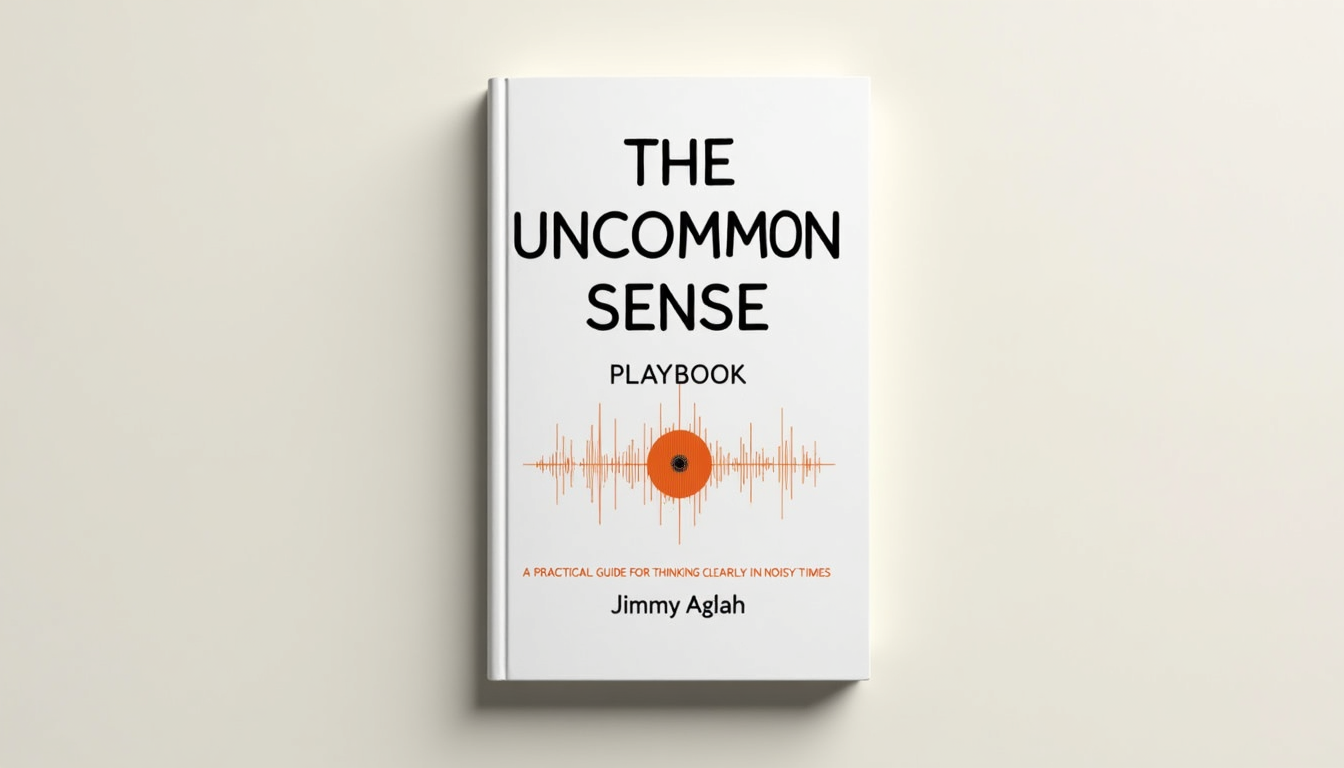
Recommended from the Republic: Want to understand how moments become movements—and how attention becomes power?
Here’s a practical guide from our shelves.
Note: This is an in-house recommendation from the Republic of Uncommon Sense.
Related Dispatches from the Republic
Ghana Traffic Satire: When the Road Becomes a Conference Hall
Potholes in Ghana: A National Geography Curriculum
Detty December in Ghana: The Season of Wallet Tears
The Republic’s Verdict
In the end, this was never truly about a streamer, a passport, or a plate of rice.
It was about how modern societies negotiate belonging under the glare of virality—how warmth, pride, and symbolism must sometimes share a room with reflection.
The visitor will leave. The jokes will fade. The passport will remain laminated.
And the jollof debate—faithful, stubborn, and undefeated—will continue to simmer.
In hindsight, the IShowSpeed Ghana passport jollof episode shows how virality can elevate ordinary moments into national symbolism—sometimes faster than we can process.
For in this part of the world, identity is layered, hospitality is generous, and rice, once cooked, is never neutral.
Disclaimer
This article is a work of satire. Any resemblance to real passports, real jollof rice, real immigration procedures, or real emotional reactions is entirely intentional.
No passports were revoked in the writing of this piece. No jollof was harmed—only debated.
Readers are advised to chew calmly and laugh responsibly.
About the Author
Jimmy Aglah writes from the Republic of Uncommon Sense, where public affairs are observed with humour, irony, and a deep affection for Ghanaian life.
A media executive and satirist, he explores culture, politics, and everyday contradictions—firmly believing that laughter remains one of society’s most honest mirrors.