






Series: The Foot Soldier Chronicles — Episode 2
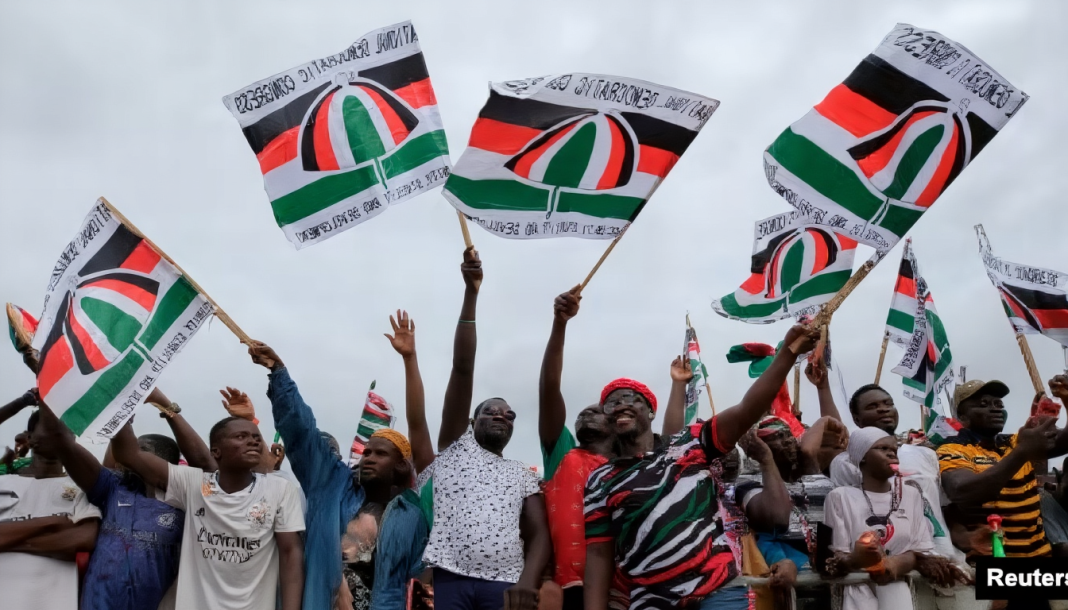
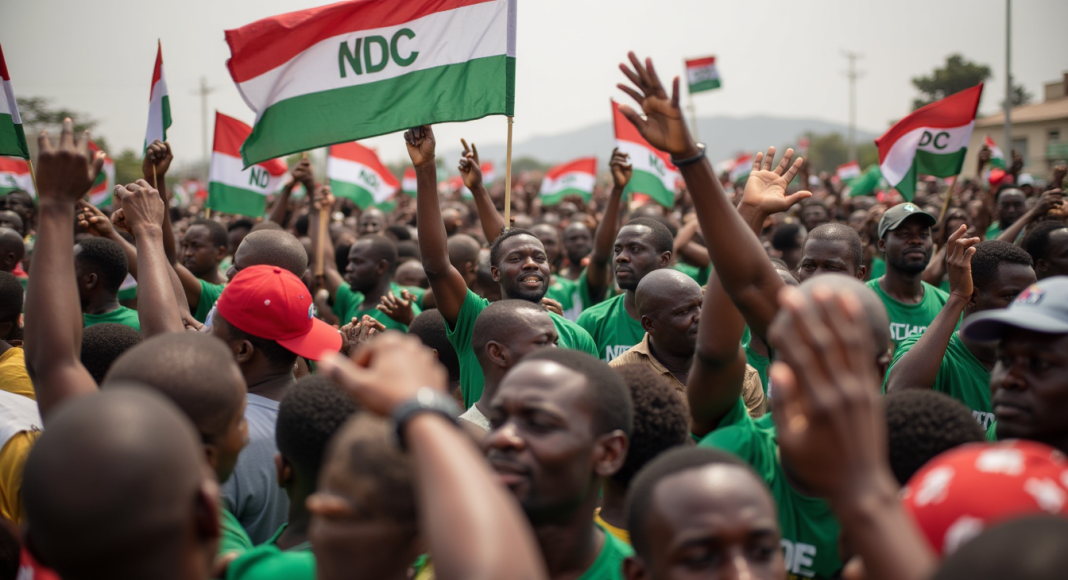
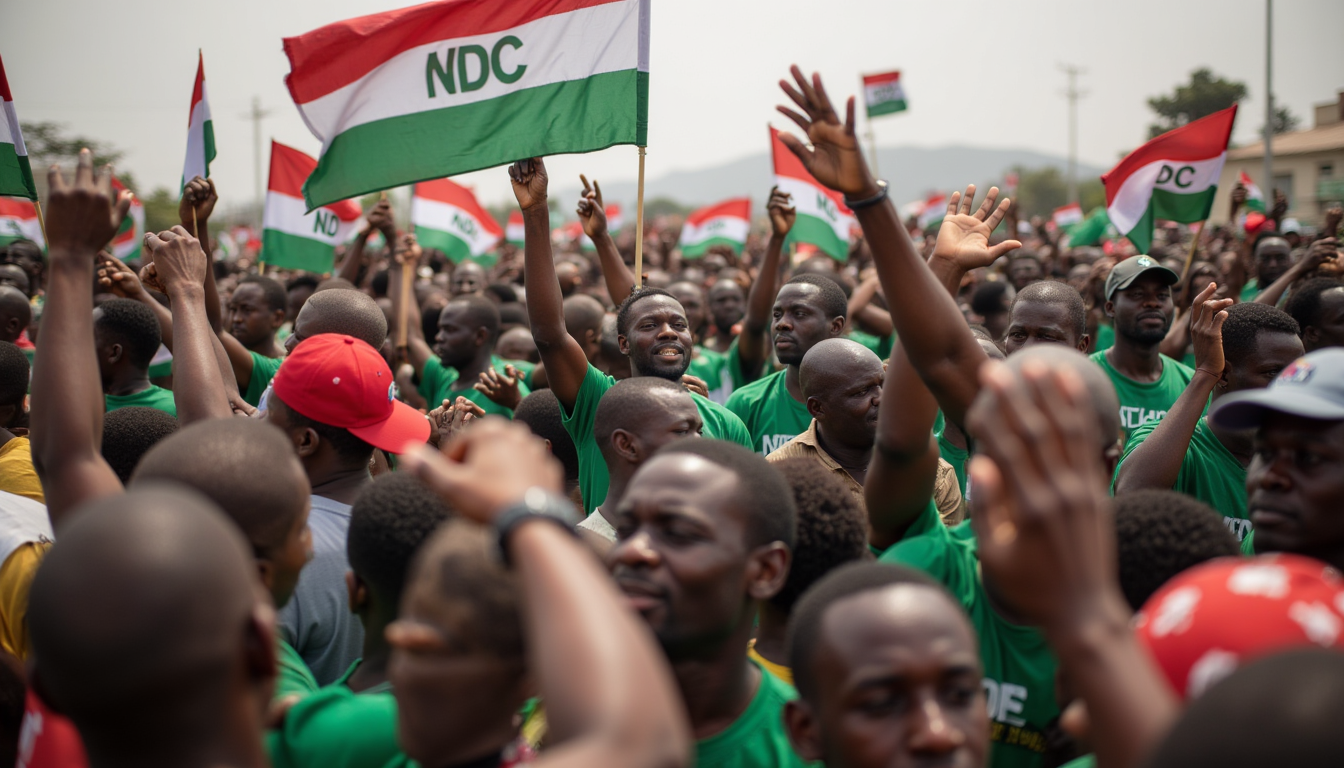
The conversation about NDC foot soldiers Ghana has become one of the most interesting political discussions after the recent election victory.
Once upon a time in a village where goats attended political meetings and chickens voted with unusual confidence, the hunters returned from the forest carrying a fat antelope.
The village erupted in joy.
Drums beat. Children danced. Elders smiled the smile of people who had done none of the running but were fully prepared to supervise the eating.
Then came the difficult part.
The sharing of the meat.
And suddenly, every man in the village discovered that he had played a major role in the hunt.
The one who saw the tracks said the expedition would have failed without his sharp eyes.
The drummer said courage would have collapsed without his rhythm.
Even the fellow who carried water insisted that strategic hydration had saved the day.
There was only one small problem.
The antelope still had only four legs.
“The hardest part of leadership is not winning the hunt. It is sharing the antelope.”
That old village story is quietly resurfacing in Ghanaian politics.
The NDC Foot Soldiers Conversation
Across social media and political discussions, some NDC foot soldiers have begun asking difficult questions.
These NDC foot soldiers say they worked tirelessly during the campaign.
They mobilized voters.
Organized rallies.
Defended the party in radio debates and social media arguments that lasted longer than electricity during a power outage.
Some say they guarded polling stations late into the night.
Now that victory has arrived, some NDC foot soldiers believe recognition has not arrived with it.
The celebration was collective.
Why then should the rewards be selective?
This is not the first time Ghanaian politics has produced such a quarrel between effort and reward. We see similar tensions in other national conversations too, including economic sectors where expectations and outcomes do not always shake hands. Read also Ghana Cocoa Industry: 9 Hard Truths Behind Africa’s Golden Bean.
“Victory has many drummers, but government has very few chairs.”
The Mathematics of Government
Campaigns thrive on enthusiasm.
Government survives on arithmetic.
During elections everyone feels important.
The man with the megaphone matters.
The woman organizing rallies matters.
The energetic defender who quarrels with relatives over politics also matters.
But after victory, politics changes clothing.
The rally cloth gives way to the office suit.
The chant gives way to the memo.
The excitement of movement gives way to the discipline of administration.
And administration has limits.
Ministerial seats are few.
Board positions are limited.
Advisory roles do not multiply like mushrooms after rain.
“Campaigns depend on enthusiasm. Governments depend on arithmetic.”
Suddenly politics becomes a matter of numbers.
Too many hunters.
Too little antelope.
The same hard arithmetic shapes other Ghanaian public systems too. For example, our piece on Cocobod Forward Sales Model Explained shows how structure often determines who benefits first and who must wait patiently at the back of the queue.
The Irony of Political Loyalty
Here lies the quiet irony.
Political parties need loyal supporters to win power.
Without foot soldiers, rallies become decoration.
Without grassroots energy, slogans remain empty sentences.
Without people on the ground, speeches in Accra remain only speeches.
But once the election is won, the conversation changes.
The language of sacrifice becomes the language of competence.
The NDC foot soldiers say, “We suffered for the party.”
The leadership replies, “We must govern effectively.”
Neither side is entirely wrong.
“Loyalty wins elections. Competence runs governments.”
In every democracy, party activism and state administration do not always walk at the same speed. Even the Electoral Commission of Ghana’s overview of the electoral system reminds us that elections are structured events involving parties, candidates, and polling arrangements, but winning an election and running a government are two different assignments entirely.
The Lesson of the Antelope
The hunters in the old story were not lying.
They all contributed.
The tracker mattered.
The drummer mattered.
The spear carrier mattered.
Even the water bearer mattered.
But appreciation does not magically increase the size of the antelope.
No celebration can add two extra legs to a four-legged animal.
Leadership after victory therefore requires wisdom.
The wisdom to recognize sacrifice without damaging competence.
The wisdom to appreciate loyalty without turning governance into a buffet.
Because when everybody insists on a full leg of the antelope, tomorrow the village will have nothing left but bones and arguments.
If you want to see how public frustration grows when promises meet limits, you may also read Ghana Cocoa Price Cuts Explained. Different sector, same national headache.
A Reflection from the Republic
Perhaps this is what the Republic of Uncommon Sense keeps relearning after every election.
Political victory belongs to many.
Political responsibility belongs to a few.
Before the village beats the victory drum too loudly, it must first do one humble thing.
Count the legs of the antelope.
Because in politics, disappointment often begins when arithmetic arrives after celebration.
The Uncommon Sense Playbook

The Uncommon Sense Playbook is a calm, practical guide for thinking clearly in a world addicted to noise.
It helps readers cut through distraction, resist performative thinking, recognize false expertise, and make decisions that hold up under pressure.
Written for leaders, professionals, creatives, and independent thinkers, it values clarity over applause and substance over visibility.
This is not motivation.
It is orientation.