Easter in Ghana: How Faith Turns Into Kwahu Migration

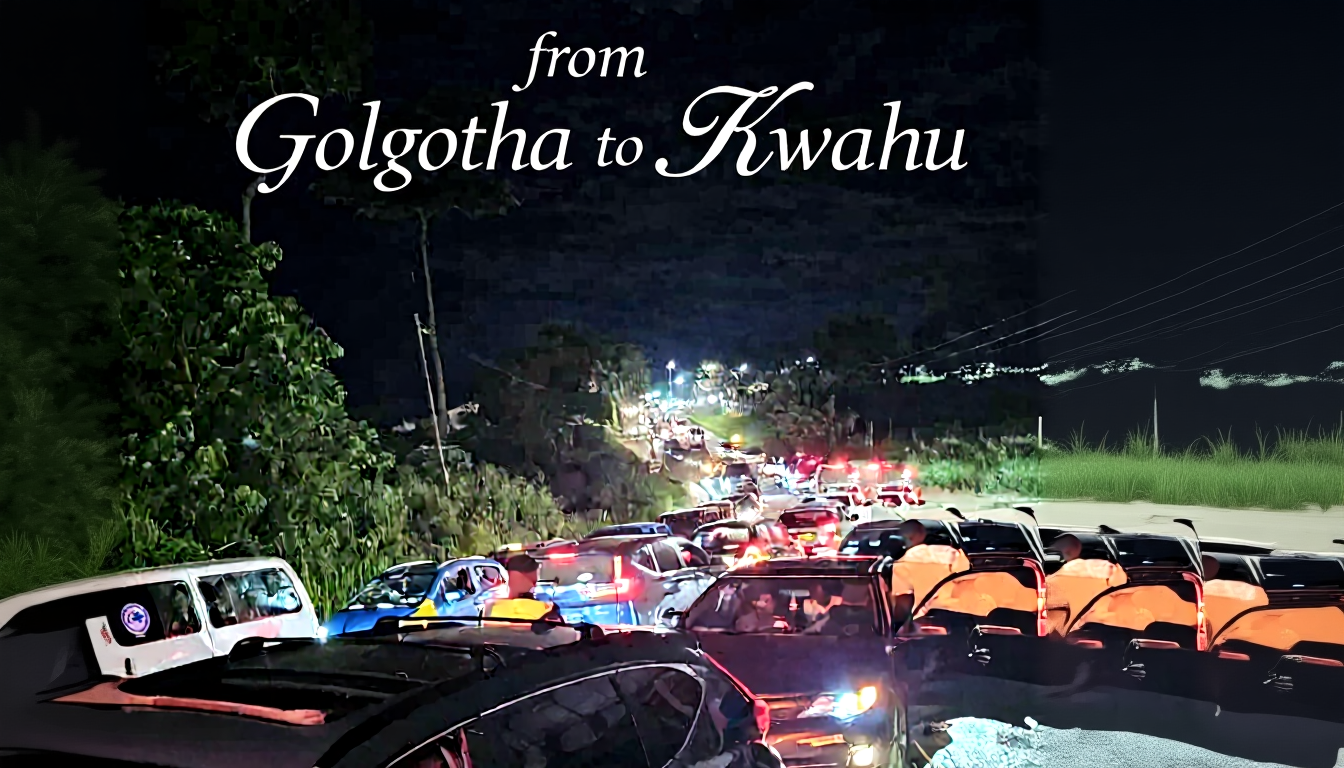
Easter in Ghana is not just a religious observance—it is a national migration, a cultural reset, and a logistical miracle that begins at Golgotha and ends, quite remarkably, in Kwahu.
Every year, as April arrives with palm fronds and church bells, Ghana prepares for deep reflection—one that quietly transforms into one of the most organized human movements in the country.
It is perhaps the only place where the journey from the cross to the cliffs happens in under 72 hours.
And we do it with impressive coordination.
Good Friday arrives with the seriousness it deserves. Churches fill early. Choirs rehearse with urgency. Garments once retired return to active duty. Even those who normally negotiate punctuality with God arrive on time.
For a few hours, the nation becomes still.
In Ghana, Easter is not observed. It is travelled.
How Easter in Ghana moves from reflection to migration
Then something happens.
By Saturday morning, the same nation that reflected deeply is now preparing for movement.
“Just small relaxation.”
That innocent sentence has launched more road trips than any official transport policy.
From Accra, Kumasi, and beyond, vehicles begin their slow pilgrimage.
Destination: Kwahu.
According to tourism insights from the Ghana Tourism Authority, Kwahu Easter remains one of the country’s largest seasonal events, attracting thousands annually.
Learn more about Kwahu Easter.
Kwahu Easter and the unofficial Vatican of vibes
Kwahu, during Easter, becomes something else entirely.
A temporary republic.
Sleep becomes optional. Spending becomes compulsory.
Hotels stop quoting prices—they assess emotional commitment.
Food vendors experience resurrection. Jollof rises. Chicken ascends.
Kwahu is not a place. It is a mindset.
And then comes paragliding—the annual exercise in trusting gravity, strangers, and God simultaneously.
The Kwahu Paragliding Festival has grown into a major tourism attraction.
See festival details.
Church, sacrifice, and the Ghanaian Easter conscience
Meanwhile, back in the churches, the faithful remain committed.
They sing. They pray. They remember.
The message is simple: sacrifice, discipline, transformation.
For a few hours, the nation becomes deeply spiritual. You can almost hear the conscience clearing its throat.
What rises at Easter in Ghana besides faith?
By Sunday afternoon, another resurrection begins.
Not of the spirit—but of habits.
In the Republic of Uncommon Sense, even sin observes Easter break—but only briefly.
Easter Monday in Ghana: He is risen, and he is grilling
Beaches, gardens, and roadsides transform into celebration grounds.
Coolers arrive like VIP guests—filled with jollof, grilled chicken, and beverages cold enough to provoke testimony.
The deeper meaning of Easter in Ghana
What exactly are we celebrating?
Easter is not just about rising.
It is about how one rises.
From Golgotha to Kwahu: the full Ghanaian Easter equation
- What did we bury on Friday?
- Why does it return so quickly?
- Has anything truly changed?
When we celebrate the message without practicing it, even resurrection becomes routine.
Read more reflections like this on the
Republic of Uncommon Sense platform.
About the Author
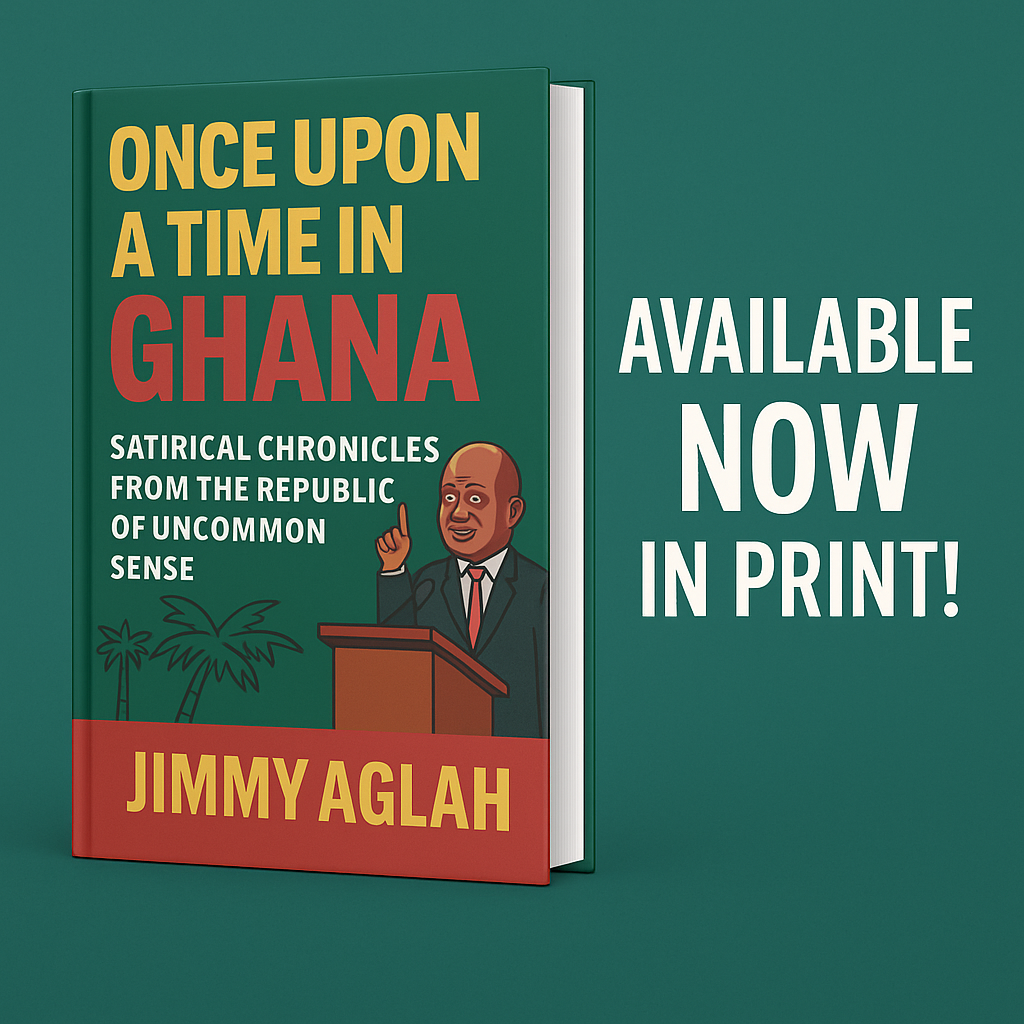
Jimmy Aglah is a media executive, satirist, and author behind the Republic of Uncommon Sense platform.