




MaxBoost Juice — Feel sharper, move faster, live brighter
Affiliate notice: Purchases made through this banner may earn the Republic a small commission — thank you for supporting independent satire and sensible living.

From Golgotha to Kwahu: The Easter Migration of the Faithful and the Faithless

From Golgotha to Kwahu: The Easter Migration of the Faithful and the Faithless

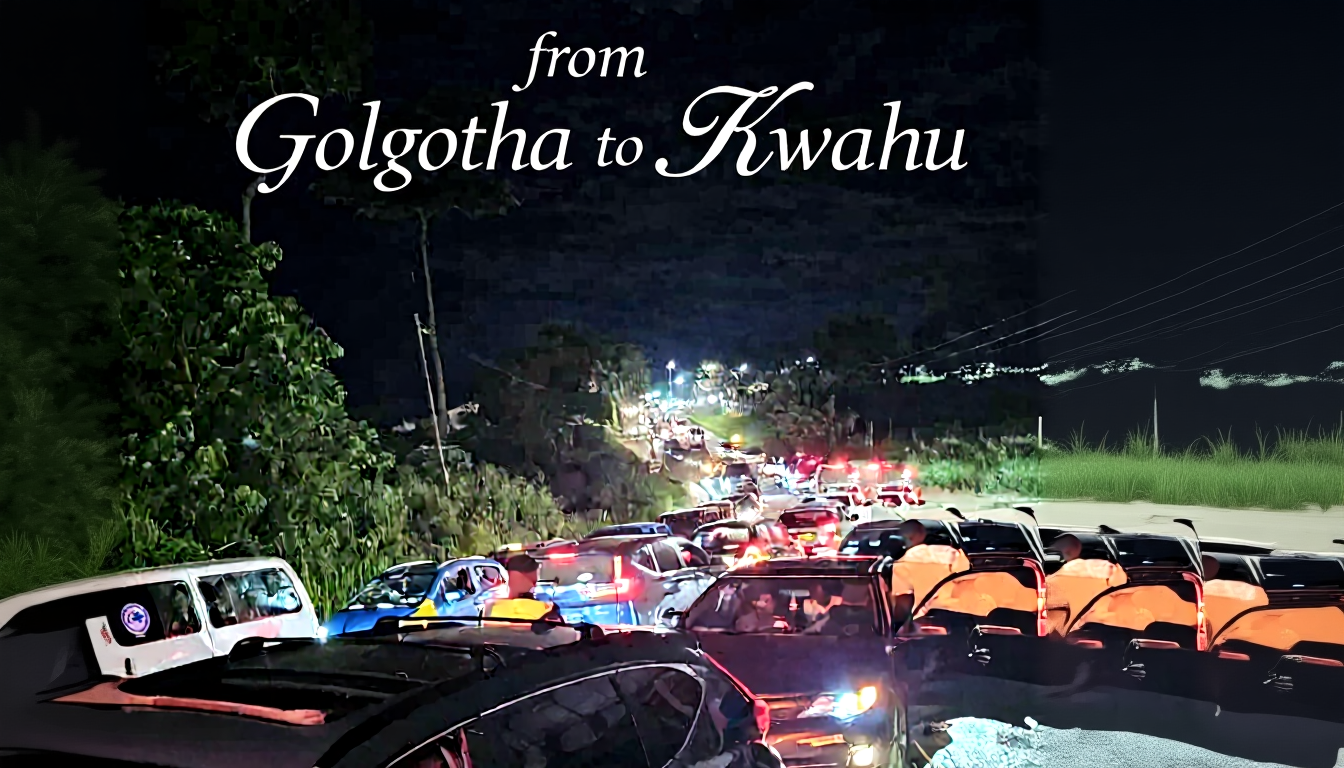
Heavy Easter traffic at night on the road to Kwahu in Ghana
In Ghana, Easter is not only observed. It is travelled.

By Jimmy Aglah

Every year, as April tiptoes in with palm fronds and church bells, Ghana prepares for a sacred season of reflection—one that begins at Golgotha and, quite remarkably, ends in Kwahu.

It is perhaps the only country where the journey from the cross to the cliffs happens in under 72 hours.

And we do it with impressive coordination.

Good Friday arrives with the seriousness it deserves. Churches fill early. White and black garments, long retired from wardrobes, suddenly return to active duty. Choirs rehearse with unusual discipline. Even those who normally negotiate punctuality with God arrive on time.

For a few hours, the nation becomes still. The story of sacrifice is retold—the pain, the burden, the weight of a man who chose the difficult path so others might live differently. And for a brief, beautiful moment, Ghana listens.

In Ghana, Easter is not observed. It is travelled.

How Easter in Ghana moves from reflection to migration

Then something happens. Not immediately. Not abruptly. But steadily. By Saturday morning, the same nation that reflected deeply is now preparing for movement.

“Just small relaxation.”

That is how it begins. A harmless sentence. Softly spoken. Politely delivered.

But behind it lies one of the most organized migrations in the Republic of Uncommon Sense.

From Accra, Kumasi, Takoradi and beyond, vehicles assemble like a convoy of purpose. The roads stretch into long conversations of impatience. Honking becomes a form of communication. Overtaking becomes a demonstration of faith—faith that nothing bad will happen.

Destination: Kwahu.

Kwahu Easter and the unofficial Vatican of vibes

Kwahu, during Easter, is not merely a location. It is a temporary republic with its own rules of engagement.

Up there, sleep becomes optional. Spending becomes compulsory. And common sense is respectfully excused from duty.

Hotels no longer quote prices; they assess your commitment to happiness.

Food vendors undergo spiritual transformation. Jollof rice develops confidence. Chicken acquires status. Even sachet water begins to behave as though it has been imported through an executive terminal.

The economy, for a brief moment, experiences resurrection.

Kwahu is not a place. It is a mindset.

And then there is paragliding—that glorious annual exercise in trusting strangers, gravity, and God at the same time.

People who will not climb a stool to fix a bulb suddenly find the courage to leap off the Atibie cliffs strapped to an instructor smiling a little too confidently for comfort.

In another country, this might be called adventure tourism. In Ghana, during Easter, it is simply part of the programme.

Church, sacrifice, and the Ghanaian Easter conscience

Meanwhile, back in the churches, the faithful continue their devotions. Dressed in white, they sing. They pray. They remember.

The message is clear: sacrifice, discipline, transformation.

For a few hours, the nation becomes deeply spiritual. You can almost hear the conscience clearing its throat.

For a few hours, the nation becomes deeply spiritual. You can almost hear the conscience clearing its throat.

But like many good messages in this Republic, it competes with a more urgent call—the call of enjoyment.

What rises at Easter in Ghana besides faith?

By Sunday afternoon, another kind of resurrection begins.

Not of the spirit.

But of habits.

Things buried on Friday begin to rise—slowly at first, then confidently. Promises made in seriousness begin to adjust themselves. Old decisions return with new arguments. Contacts once labelled “Avoid” suddenly look like opportunities again.

In the Republic of Uncommon Sense, even sin observes Easter break—but only briefly.

Yet, one must admire the balance.

We have mastered the delicate art of living two lives in one weekend.

Church in the morning.

Kwahu in the afternoon.

Reflection at dawn.

Revelry by sunset.

We crucify bad habits and quietly schedule their resurrection.

Efficiency, it would seem, has reached spiritual levels.

Easter Monday in Ghana: He is risen, and he is grilling

And then comes Easter Monday.

If Sunday proclaims He is Risen, Monday confidently declares He is Grilling.

Beaches, gardens, roadsides, and open spaces become arenas of celebration. Coolers arrive with authority—filled with jollof, fried rice, grilled chicken, and beverages cold enough to provoke testimony.

Music plays. Aunties dance with determination. Uncles sip malt with philosophical seriousness. Children, powered by sugar and freedom, run about like minor shareholders in chaos.

It is a festival. A full production.

The deeper meaning of Easter in Ghana

And yet, beneath the laughter, the traffic, and the carefully planned enjoyment, a quiet question remains.

What exactly are we celebrating?

Because Easter is not merely about rising.

It is about how one rises.

It is about the discipline to change, the courage to let go, and the willingness to choose the harder right over the easier wrong.

But here, in our beloved Republic, we have refined the formula.

We admire sacrifice—from a distance.

We respect discipline—in theory.

We honour the cross—as long as someone else is carrying it.

We want resurrection.

The process, however, we will attend to later.

From Golgotha to Kwahu: the full Ghanaian Easter equation

So we arrive, once again, at the full Ghanaian Easter equation:

Jesus has risen.

Jollof has risen.

And Ghanaians are jumping off cliffs in search of perspective.

It is a complete ecosystem—spiritual, social, economic, and, occasionally, aerodynamic.

As the roads begin their return journey and reality slowly reclaims its place, perhaps it is worth asking:

  • What exactly did we bury on Friday?
  • Why does it return so quickly?
  • And this version of ourselves that rises every Easter—has it changed, or has it simply travelled to Kwahu and back?

Because in the Republic of Uncommon Sense, one truth remains undefeated:

When we celebrate the message without practicing it, even resurrection becomes routine.


About the Author

Jimmy Aglah is a media executive, satirist, and author behind the Republic of Uncommon Sense platform. He writes with wit, cultural insight, and sharp social commentary, using humor to interrogate everyday Ghanaian life.

Also by Jimmy Aglah

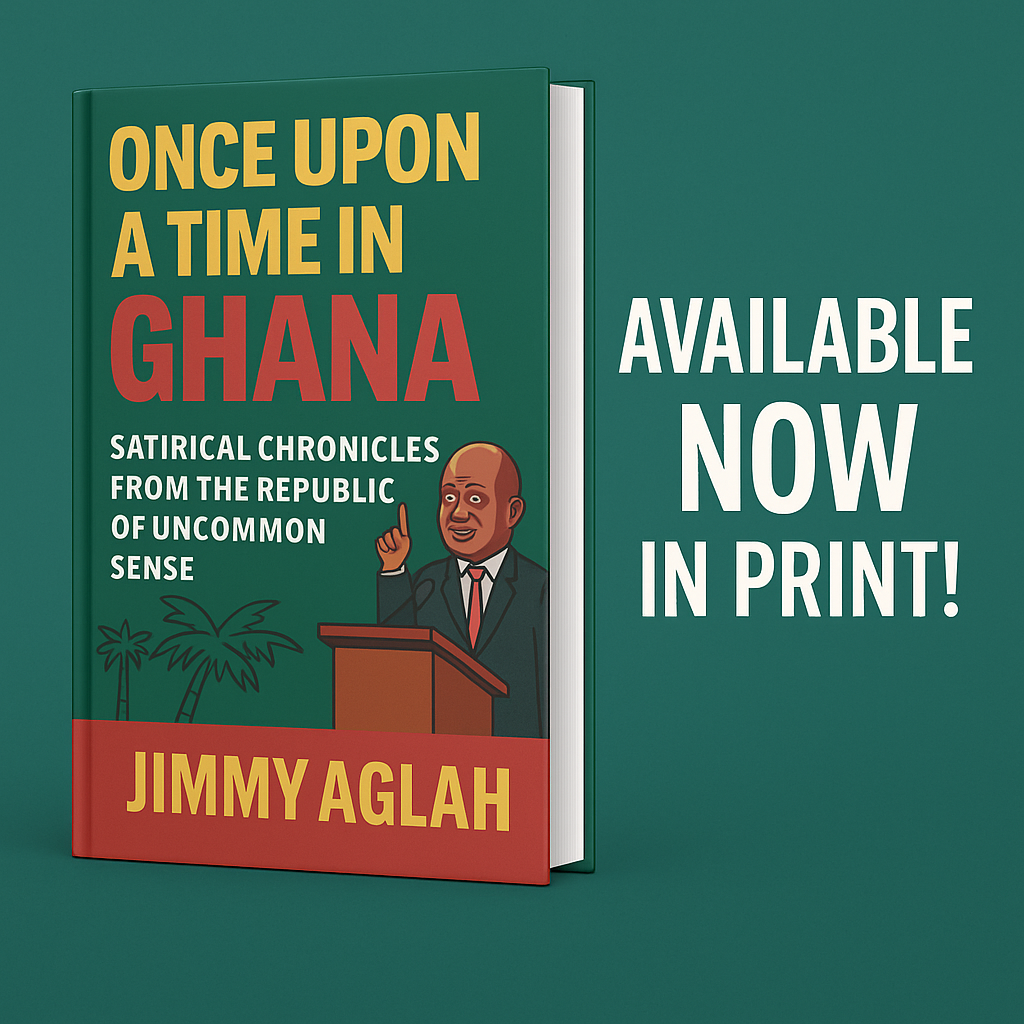
Once Upon a Time in Ghana: Satirical Chronicles from the Republic of Uncommon Sense

A witty, incisive collection of satirical reflections on Ghanaian society, public life, and the absurdities that thrive in plain sight.

Read more on Republic of Uncommon Sense
Get it on Amazon

Hot this week

The Rise of Uncommon Sense: Ghana’s New Intellectual Pandemic

Uncommon Sense in Ghana has gone viral. It’s not...

Street Motors, Ltd.: How to Buy a Lambo in Broad Daylight

Filed from the Republic of Uncommon Sense, where vibes...

Akwaaba vs Oobake: The Shocking Kotoka Airport Ghana Debate Over a Welcome

Kotoka Airport’s hottest turbulence isn’t from planes but from greetings. Should Ghana’s welcome sign say Akwaaba or Oobake? A satirical take from the Republic of Uncommon Sense.

Sirens, Caftans, and Fulla: A Kumasi Chronicle of VIP Nonsense

Back to Satirical Chronicles In this Ghana traffic satire, it...

When Illegality Starts Paying Tax: A Dangerous Precedent

When Illegality Starts Paying Tax: A Dangerous Precedent By Jimmy...

Ghana Security Recruitment Scandal: 105,000 Youth in the Queue — Protocol Already at the Door

Ghana Security Recruitment Scandal: 5,000 Jobs, 105,000 Applicants When Protocol...

7 Hard Truths About Political Foot Soldiers in Ghana

There is an old proverb the elders like to...

5 Hard Lessons About Political Foot Soldiers Ghana Politics

Series: The Foot Soldier Chronicles — Episode 3 The conversation...

The Antelope Problem: Why NDC Foot Soldiers Are Asking Hard Questions After Victory

Series: The Foot Soldier Chronicles — Episode 2 The conversation...

NDC Foot Soldiers and the Antelope Problem

Series: The Foot Soldier Chronicles — Episode 1 There is...
spot_img

Related Articles

Popular Categories

spot_imgspot_img