

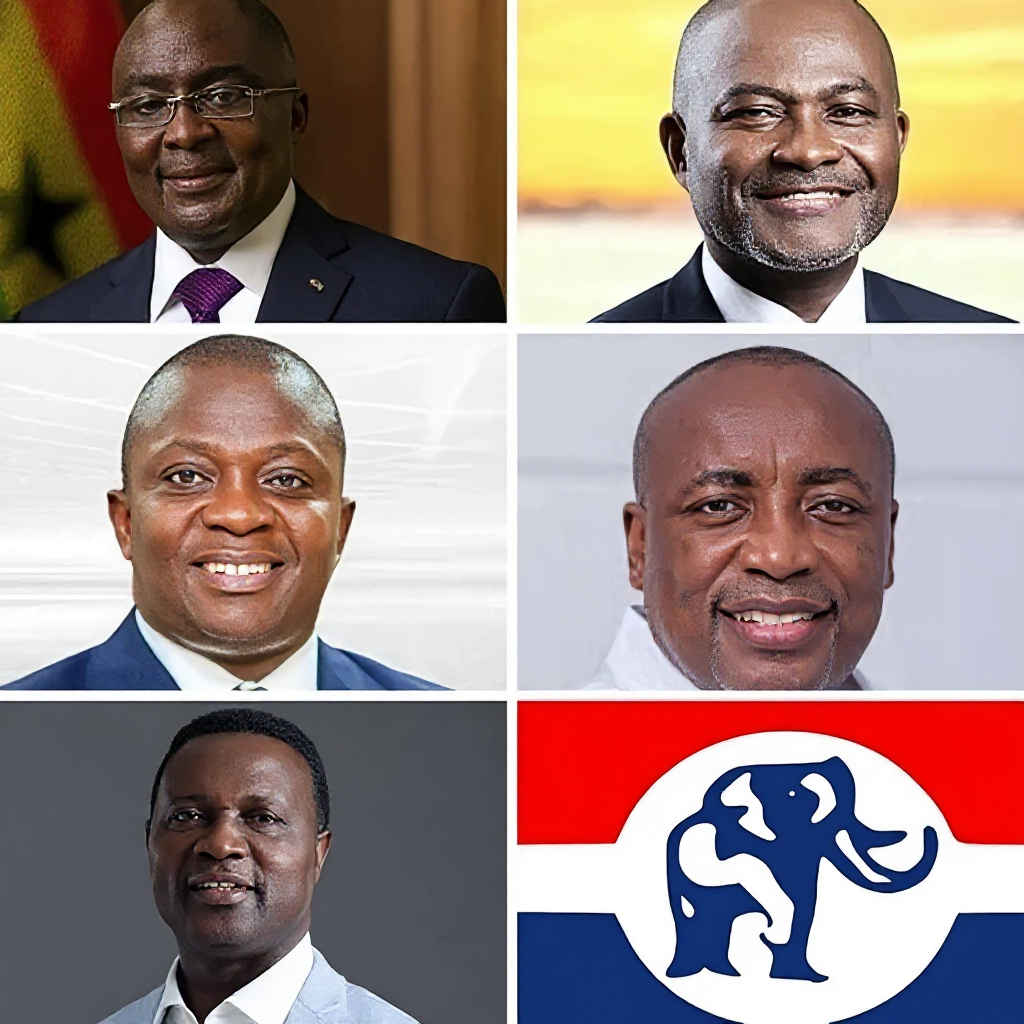

Updated: Delegate chatter, poll screenshots, and “peace pact” commentary continue to trend as primary day approaches.
The Republic of Delegates: When a Few Think for Millions
This NPP primaries satire begins in a familiar place. For a brief and magical moment, the Republic of Uncommon Sense reduced itself to a small, important number. Not the population. Not the voters. Just delegates—those chosen few upon whose phones the nation now depends.
This was primary season. Not the agricultural kind. The political one—where democracy briefly abandons crowds and places its faith in a select few with ringing phones and full calendars. (If you’ve ever lived through a Ghanaian queue system, you already understand the theology.)
In the beginning was the Primary.
And the Primary was with the Party.
And the Primary was God.
NPP Primaries Satire and the Republic of Delegates
Almost overnight, the grassroots—previously a poetic concept—became sacred ground. Convoys learned humility around speed ramps. Handshakes became longer. Smiles became national assets. Every promise was firm, visionary, and subject only to future clarification.
The candidates arrived like characters from a familiar folktale. One spoke the language of charts and confidence, sprinkling percentages like holy water. Another spoke in thunder, truth, and carefully timed outrage, each sentence landing like a talking drum that had drunk palm wine. Others nodded wisely, as if history itself had personally endorsed them during breakfast.
And because the Republic never does anything quietly, the build-up has the same energy as
Ghana traffic satire
—slow movement, loud horns, and a national belief that the front of the queue is a spiritual destination.
“No one insulted anyone. They only clarified—with passion.”
The Polls That Multiplied Like Loaves
Then came the polls.
Scientific polls. Strategic polls. Polls conducted by people who had “done their own research.” Every candidate was leading comfortably. Some were leading so comfortably they appeared to be resting. Charts arrived on social media with the confidence of scripture, and captions arrived with the tenderness of a verdict.
Percentages crossed 100 with the boldness of a man who has never met a calculator. The same delegate voted in multiple surveys across different regions and still had energy left for a WhatsApp poll conducted by a concerned nephew who swore his methodology was “international standard.”
Methodology was rarely discussed. Results were announced like prophecy. In the Republic of Uncommon Sense, polls are not designed to predict outcomes. They exist to encourage belief.
This NPP primaries satire captures the rituals, anxieties, and quiet calculations that define internal party democracy—where the nation holds its breath, and a few people hold the phone.
For broader context and mainstream reporting around party primaries and Ghana’s political climate, follow updates via
MyJoyOnline’s politics coverage
.
📘 The Uncommon Sense Playbook
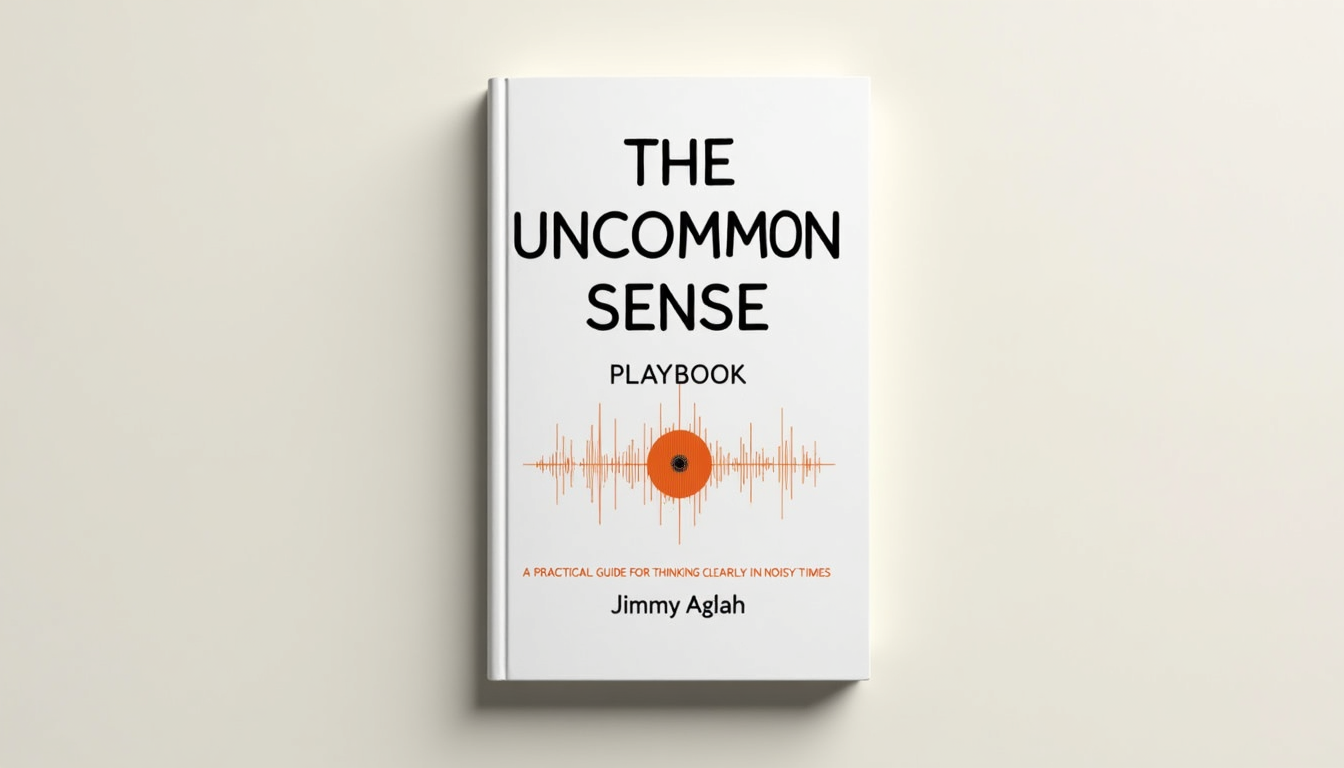
Sharp thinking. Calm clarity. Strategic mischief for serious times.
The Uncommon Sense Playbook is a practical companion to the ideas behind the Republic—less noise, more insight, and a refusal to think on autopilot.

The Peace Pact That Needed Security
Eventually, the party gathered to sign a peace pact.
A beautiful moment. Photogenic. Historic. Smiles were exchanged—some natural, others clearly hired for the occasion. Handshakes lasted just long enough for cameras to believe in unity. Body-language experts emerged immediately to explain who blinked first, who clapped last, and who clapped like their hands were still negotiating terms.
Security was tight. Because nothing reassures the public like a peaceful agreement surrounded by men trained for emergencies. Peace, in our democracy, must always be announced loudly—so that everyone knows it exists.
If you enjoy the Republic’s relationship with “progress” and “process,” you’ll appreciate how it behaves in
Potholes in Ghana: Uncommon Sense
—where problems are well-known, loudly discussed, and permanently under consideration.
Delegates: The Most Courted Species in the Savannah
Meanwhile, delegates entered their brief season of glory.
Phones rang like church bells on Easter morning. Long-lost classmates remembered birthdays. Old rivals rediscovered forgiveness. Everyone was “just checking on you,” with a sincerity that arrived suspiciously close to voting day.
Delegates became busy people. Spiritually busy. Politically unavailable. Morally reflective. In the Republic of Uncommon Sense, when the soup is sweet, even the spoon gains relatives.
Social Media: Where Everyone Is a Delegate
Online, the nation voted repeatedly.
X became a think tank. Facebook turned into a prophecy center. TikTok delivered political analysis through dance. WhatsApp groups leaked leaks about leaks. Everyone knew the outcome. Everyone was prepared to be shocked.
For a lighter national mood swing—when the Republic turns from politics to parties—see
Detty December in Ghana
.
After the Noise
Behind the laughter hovered the real question—the morning after.
Not who wins, but who stays. Because parties survive primaries. Egos take longer. The real opponent is not always outside the party gates; sometimes it is the silence that follows the celebration, when factions must suddenly remember they are family.
As an NPP primaries satire, this dispatch is less about a single winner and more about what survives the noise—trust, unity, and the national habit of turning every process into performance.
We do not whisper our democracy.
We announce it.
With sirens.
And a press conference.
Question for the Republic: If everyone is “leading comfortably” in the primaries… who exactly is practicing how to lose?
Drop your take in the comments—civilly, if possible. This is the Republic.