



Stable Cedi, Shaken Confidence? Ghana’s ORAL Test
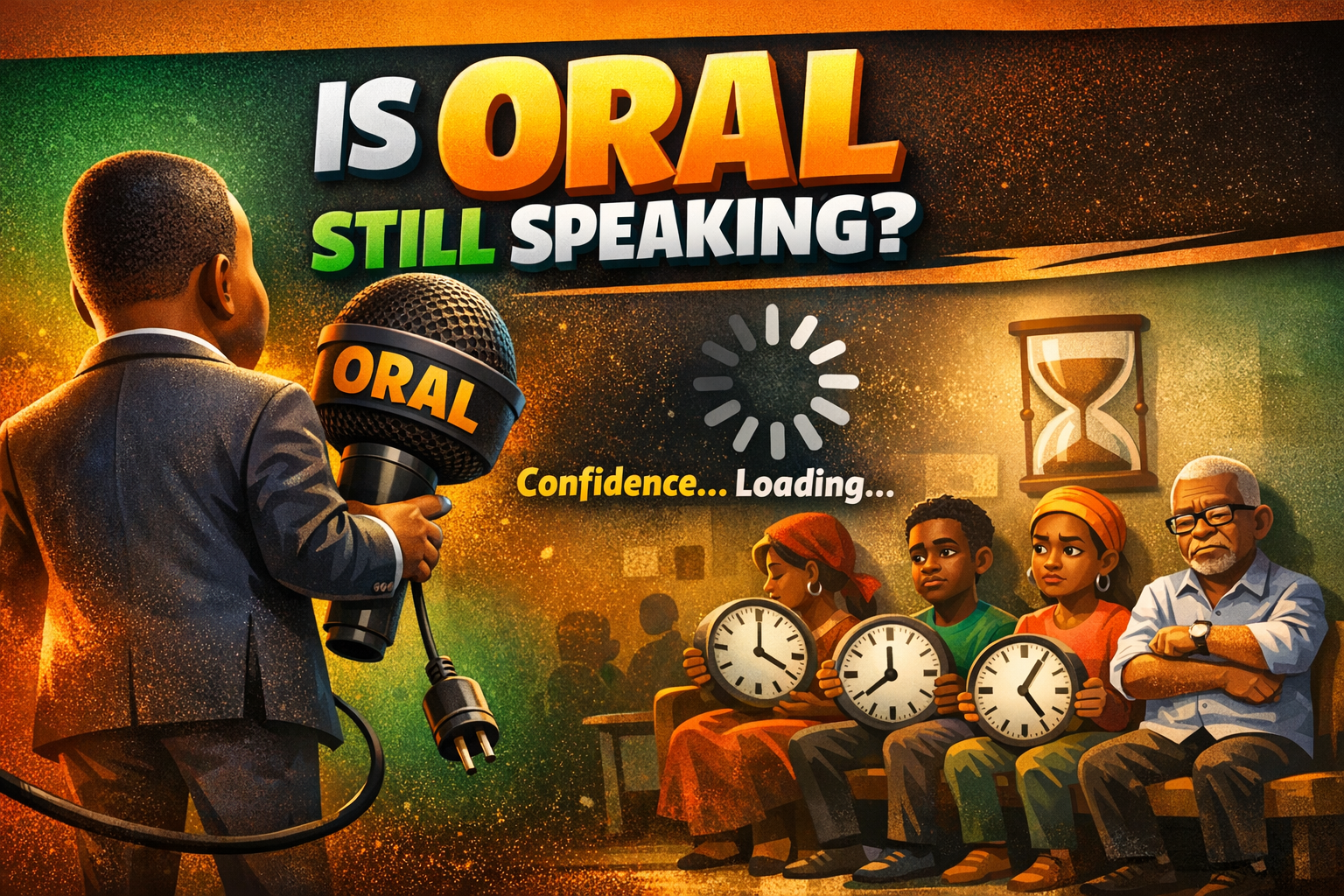
Public confidence Ghana is now the quiet conversation in market stalls, trotro buses, and digital timelines. The cedi has stabilized. Inflation has declined. Yet many citizens still ask a simple question: why does daily life feel unchanged?
In the Republic of Uncommon Sense, fairness must lead the debate. Yes, macroeconomic charts show improvement. The Bank of Ghana publishes data on monetary conditions and inflation trends, and the national mood has benefited from reduced currency drama. Still, governance is not judged on charts alone; it is judged on felt reality.
“Stability on paper does not always translate to relief in the pocket.”
CAUSE: Why Public Confidence Ghana Is Under Strain
1) The Visibility Gap in the ORAL Agenda Ghana
The ORAL anti-corruption promise arrived with the energy of campaign drums: loud, urgent, and confident. Citizens expected swift investigations, major prosecutions, and visible recoveries. Today, the public debate is less about intent and more about visibility: milestones, timelines, and concrete outcomes people can point to without needing a press conference translator.
2) Inflation Down, Prices Still High
Inflation falling is good news — but it does not automatically produce price reversals. Lower inflation often means prices are rising more slowly, not falling. Ordinary Ghanaians do not shop in percentages. They shop in cash. So when “inflation down” meets “prices still high,” the mind concludes: the statistics are improving, but the kitchen remains under pressure.
3) Reset Expectations vs Institutional Reality
The word “Reset” created dramatic expectations. But institutions move at procedural speed: evidence gathering, documentation, court processes, and administrative reforms. When rhetoric runs faster than systems, perception becomes impatient. Citizens begin to wonder whether the reset is a transformation — or simply a new wallpaper on the same old wall.
4) Youth Opportunity Anxiety
Young voters evaluate governance through opportunity pipelines: jobs, skills, apprenticeships, digital pathways, and business support. When opportunities feel distant, frustration becomes loud online. A nation can stabilize its currency and still struggle to stabilize the hopes of the youth.
IMPACT: What This Means for Mahama Government Performance
Public confidence Ghana affects more than approval ratings. It influences investment sentiment, youth optimism, and civic participation. A country can have improving macro numbers and still suffer a confidence deficit if citizens feel uninformed or unconvinced.
“When reform is not visible, doubt becomes visible.”
Confidence shapes economic psychology. If citizens believe reforms are real and consistent, they consume, invest, and plan with hope. If they believe reforms are unclear, they hesitate. And hesitation can be as expensive as inflation.
SOLUTION: How to Rebuild Public Confidence Ghana
Rebuilding confidence does not require miracles. It requires measurable habits: clarity, transparency, and consistency. In the Republic of Uncommon Sense, we propose a simple approach: show the work, not only the promise.
Featured Snippet – 5 Practical Steps to Restore Confidence
- Publish quarterly ORAL progress dashboards (cases and stages, where legally appropriate)
- Communicate milestones with timelines, not only statements
- Announce asset recovery figures transparently when permitted
- Highlight measurable youth employment and skills outcomes
- Maintain disciplined, consistent messaging across government communication
“Hope is patient. But hope also keeps receipts.”
If reforms are happening behind the scenes, show the scenes. If systems are improving, demonstrate the evidence. Or are we in a national trotro bus where the mate keeps shouting, “We are moving!” but the driver is still looking for the ignition key?
📘 Thinking Clearly in Noisy Times
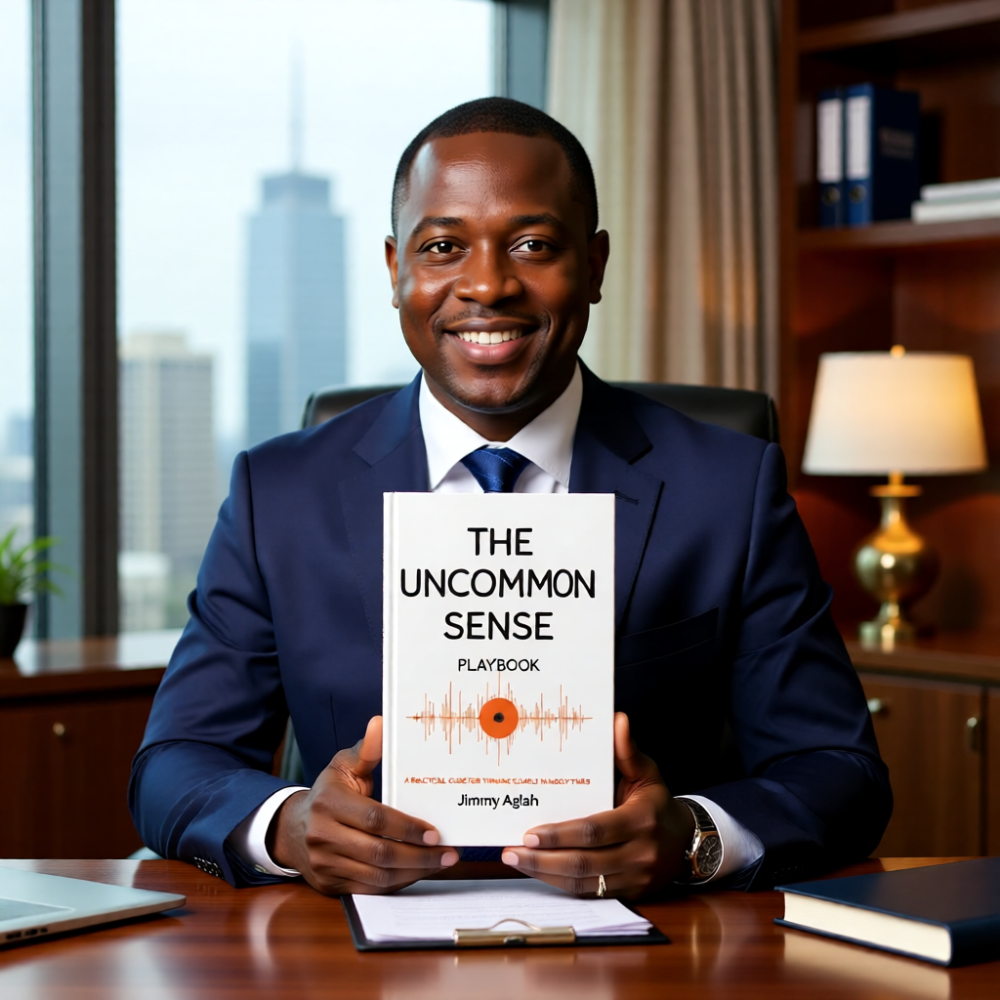
Confidence in governance begins with clarity in citizens. When political noise grows louder and social media turns every issue into a shouting match, clear thinking becomes a civic advantage.
The Uncommon Sense Playbook offers practical frameworks for thinking critically, evaluating leadership claims, and navigating national debates without emotional distortion.
Frequently Asked Questions
Why is public confidence Ghana declining despite economic stability?
Because citizens measure progress through household experience, not only macro indicators. Stability may be real while daily prices remain stubbornly high.
Is the ORAL agenda failing?
Not necessarily. The public concern is largely about speed and visibility — the need for milestones, timelines, and outcomes that people can verify.
Does lower inflation mean prices will fall?
No. Lower inflation means prices increase more slowly. Prices fall only when there is deflation or strong downward pressure on costs and supply chains.
What can government do immediately to improve perception?
Publish clear quarterly updates, communicate consistent milestones, and show measurable “quick wins” while longer reforms continue.